In the bustling lanes of Banaras, one grandmother fed generations with her kachoris and a side of loving daant (scolding). 115 years later, her legacy is still the secret ingredient in the brand’s success. This is the story of Prasidhh Chachi Ki Kachaudi
Prasidhh Chachi Ki Kachaudi has been serving breakfast since 1915, a time capsule in the heart of Banaras. British officers once arrived on horseback, freedom fighters sought shelter here, and today, judges and politicians pay a visit. What started as a small family eatery has become an institution, passed down through three generations. But the real star of this institution is still the late ‘Chachi’, the grandmother who treated every customer like family and wasn’t shy about showing her affection through playful Banarasi scoldings that people actually queued up to hear.
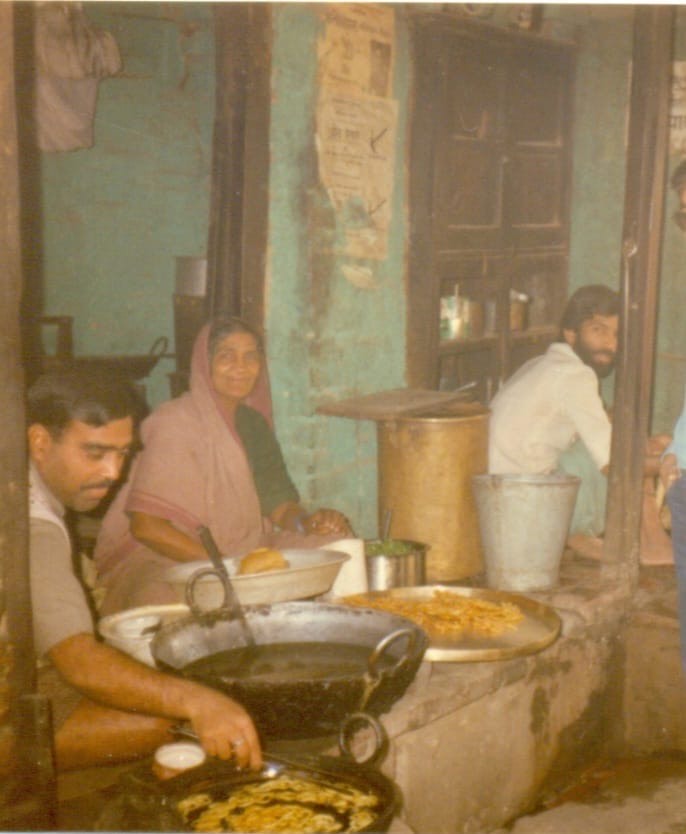
Love, Kachoris, And A Side Of Banarasi Banter
The eatery’s walls could tell stories spanning over a century. Students from Banaras Hindu University all found their way to Chachi’s doorstep. “She treated everyone like her guests, never as a customer,” shares Akki Yadav, her grandson and current owner, who took over in 2005. “Even if the kachoris were sold out and someone showed up hungry, Chachi wouldn’t turn them away. She’d cook whatever was at home, even simple khichdi and roti. No one left hungry.”
That philosophy created moments that people still remember decades later. “There was a group of students who visited daily until Chachi noticed one boy hadn’t shown up for a few days. When she learned he was unwell, she prepared fresh khichdi, walked to his hostel, and checked on him. Years later, that same boy returned as a judge and sat humbly at Chachi’s feet. To anyone watching, it would seem unusual, a judge sitting on the ground at a small kachori shop, but he remembered the woman who cared for him when he was a sick student far from home.
“Stories like these spread, and soon everyone knew Chachi”, Akki explains. “People don’t come here asking for kachori-sabji. You can find that anywhere in Banaras. They come specifically for ‘Prasidhh Chachi Ki Kachaudi’. Her name carries the legacy.”
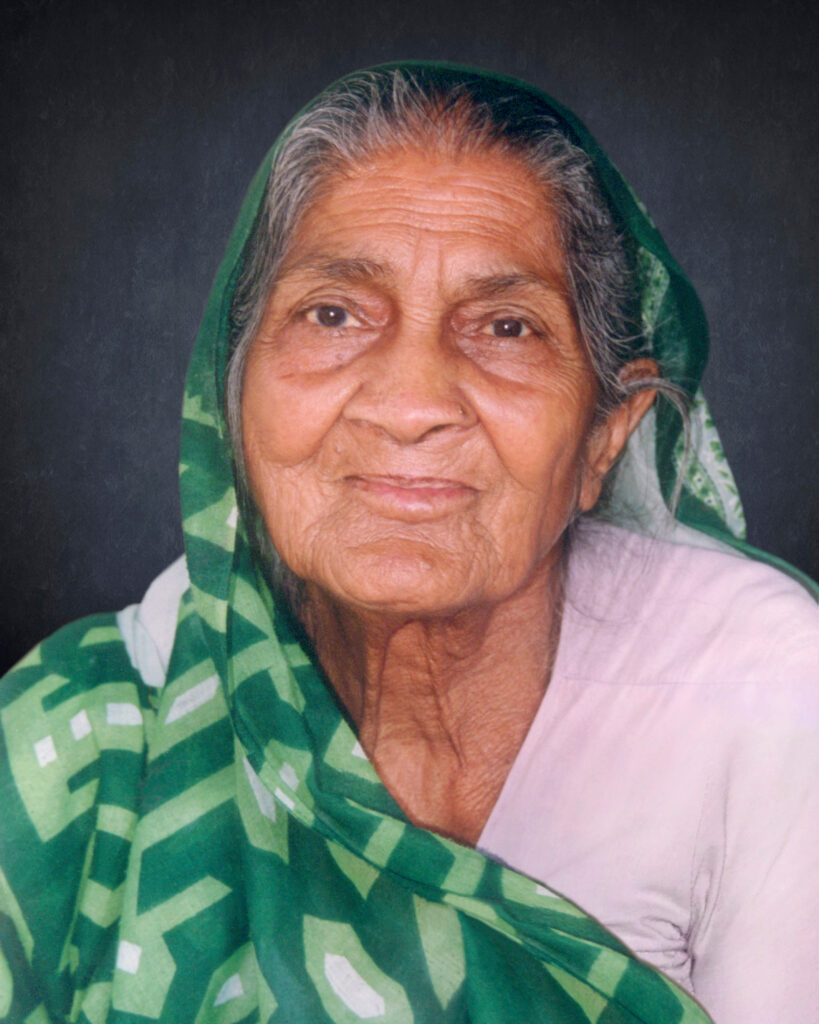
Her personality was just as legendary as her kindness. “Smriti Irani once visited and specifically asked Dadi to scold her, just to experience what everyone in the city talked about,” Akki recalls. “But Dadi refused. She told her, ‘Beta, you’re like family. How can I scold you?’’ Students would deliberately come to hear her scoldings before exams, believing it brought good luck. “That was Chachi’s magic: her scoldings were affectionate, her warmth was real, and people felt it in every bite,” says Akki
When Akki took over in 2005, he chose to preserve rather than change. “We wake up at 3:30 AM, no matter the season,” he says. “The recipe hasn’t changed in 115 years. My father still makes the sabji the way Chachi taught him. We’ve never hired outside staff. Everything is prepared by family members to maintain that consistency.”
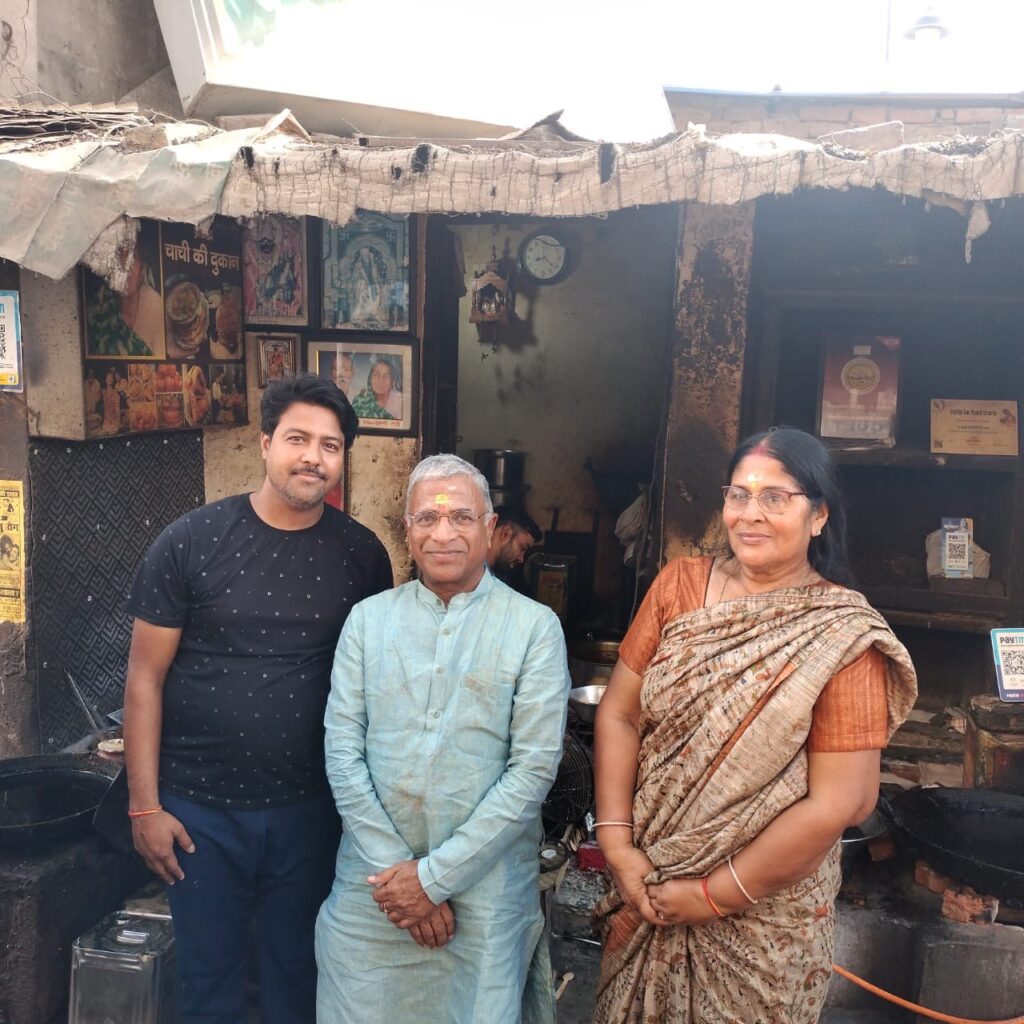
That consistency extends to how the shop operates. Opening at 6:00 am and closing by 10:30 am, the shop follows Banaras’ unique food rhythm. “In Banaras, every food item has its time slot. If kachoris are available all day, the craze disappears,” he explains. “Limited hours keep the demand alive.”
But running a 115-year-old brand also means adapting to changing customer expectations. “Generations have changed drastically,” Akki reflects. “In Chachi’s time, people had patience. They’d wait 20 minutes without complaining. Today, if there’s a 10-minute delay, you get a negative review. You have to handle customers differently now, smartly and tactfully.” Despite these challenges, the family has stayed committed.
How Swiggy Brought Chachi’s Legacy Home
For over a century, Prasidhh Chachi Ki Kachaudi relied on word-of-mouth and customers lining up outside. But reaching people beyond those crowded lanes meant stepping into the digital world. That’s where Vishal Chippa, Swiggy’s account manager, came in.
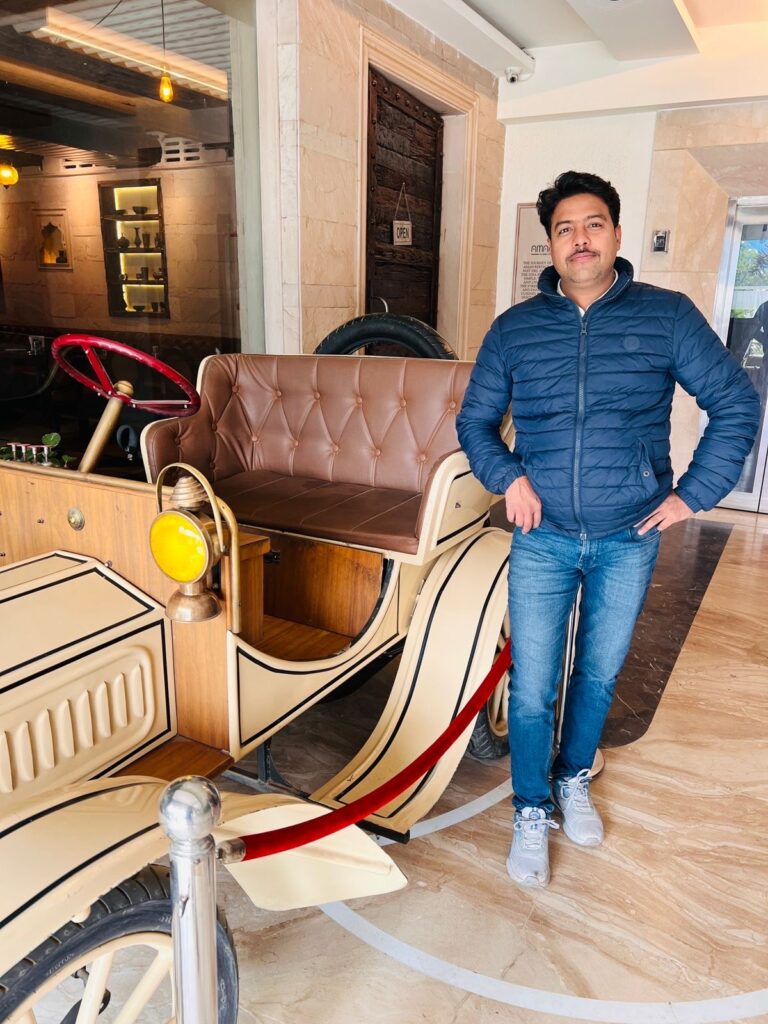
Vishal joined Swiggy three years back and is currently an Area Sales Manager. Sharing his thoughts about the brand, he says, “This is one of the well-known brands in Banaras. My colleague Ajay and I would visit regularly and talk to anyone connected to the shop. I called every single day for a year before we finally got them onboarded.”
Vishal’s year of daily calls paid off, and for a brand this iconic, he knew it was worth the persistence. Bringing a 115-year-old establishment onto a delivery app posed unique challenges, the biggest being fake outlets that had already popped up using similar names. “We discovered several shops using similar names to ride on Chachi’s reputation,” Vishal explains. “We had to establish that this was the original, authentic Prasidhh Chachi Ki Kachaudi.”

Swiggy took a ground-level approach. They set up standees near temples for early-morning worshippers, placed promotional stickers on auto-rickshaws across the city, and distributed pamphlets to loyal customers. “We also added the shop to Swiggy Bolt with just three items for quick delivery,” Vishal adds. “Since tourists are always searching for authentic breakfast options, this worked”
The limited operating hours posed another puzzle. “Morning orders are naturally lower than other peak times,” Vishal notes. “We waived delivery fees because the order value is already affordable. 50 to 60 rupees. We didn’t want delivery charges to become a barrier.”
Vishal also worked closely with delivery partners. “The location gets incredibly crowded, so our delivery partners needed extra patience,” he says. “Once they understood the outlet’s significance, the cooperation improved significantly.”
“Our partnership with Swiggy has been smooth,” says the owner, Akki Yadav. “Vishal was extremely helpful. We’ve built a good rapport, and he’s supported us at every step.”
Old Flavours, New Horizons
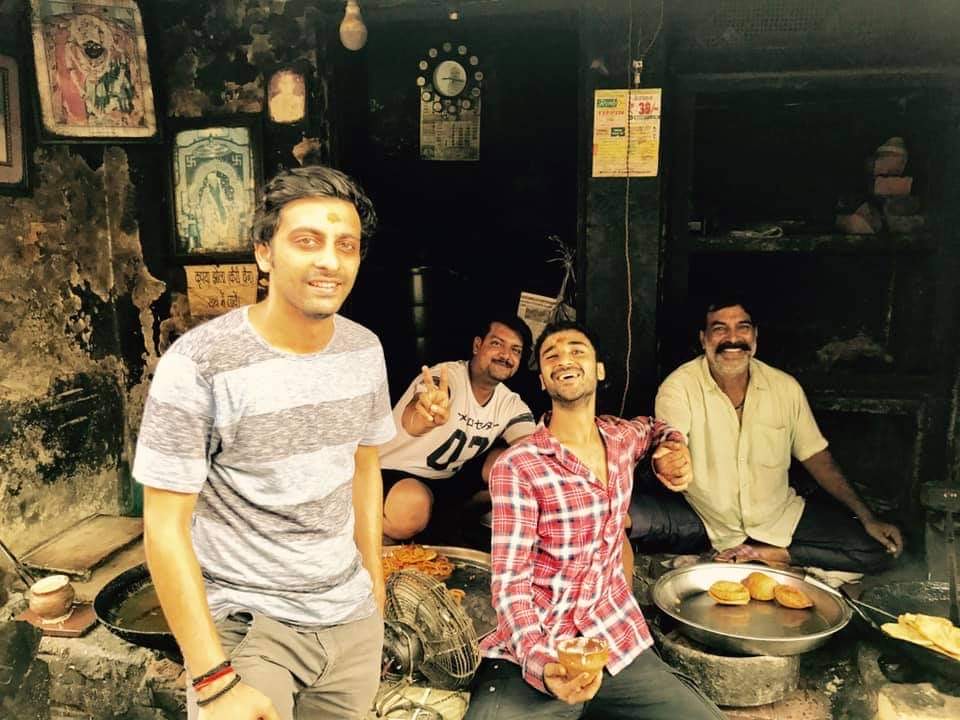
The menu at Prasidhh Chachi Ki Kachaudi has remained consistent for 115 years, with recipes passed down through three generations without alteration. “The sabji we serve today tastes exactly like it did in Chachi’s time,” says Akki Yadav. “Generations have come and gone, the business has passed from Chachi to my grandfather to my father to me, but the flavours, the quality, the precision in preparation, none of that has changed. That consistency is what keeps people coming back.”
That same principle guides his advice for aspiring restaurateurs. “Know why you want to start a business and how you plan to run it,” he says. “Running a business means being prepared for both profits, losses and understanding that no two days are the same. Losses aren’t failures; they’re part of the journey. What matters most is having patience and staying committed to your purpose, especially when things get difficult.”
The future holds ambitious plans. Discussions with the Ministry of Culture could see Chachi Ki Kachaudi at airports across India, bringing Banaras’ culinary heritage to a global audience. From a single shop in crowded lanes to potential international airports, it’s a significant leap for a brand built on staying exactly the same.
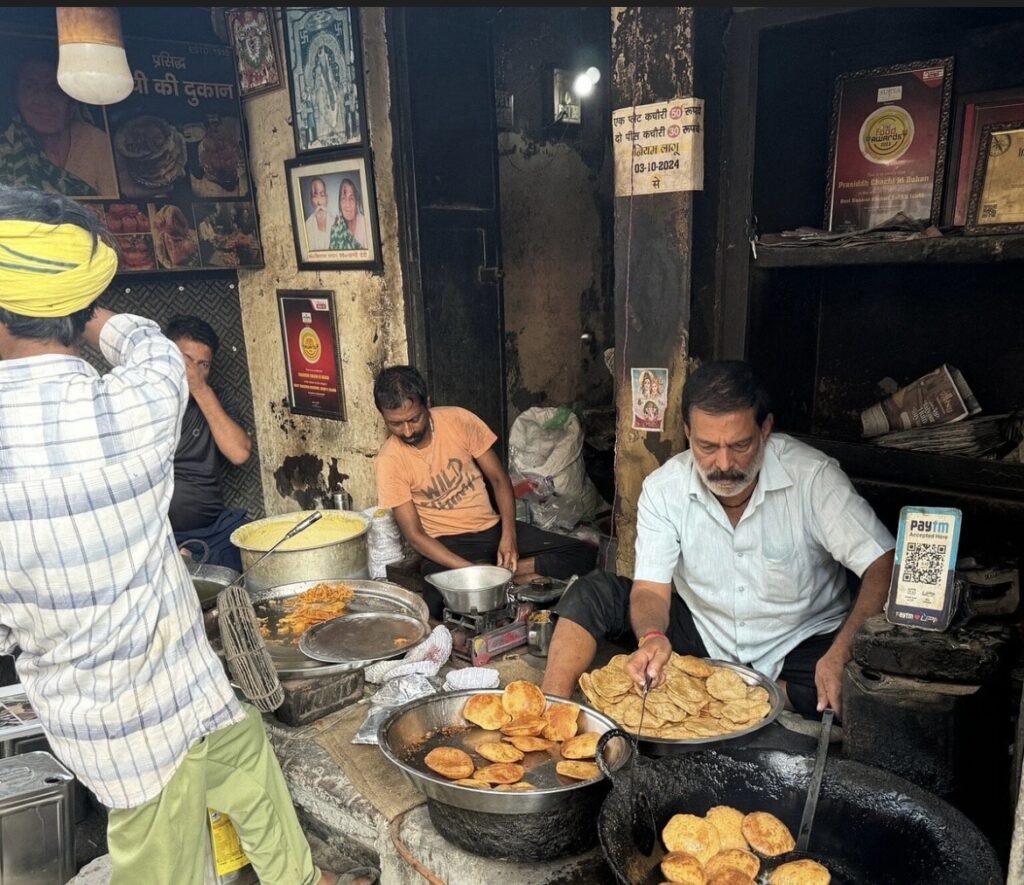
Prasidhh Chachi Ki Kachaudi has survived 115 years because Chachi understood something simple. Food connects people, but warmth keeps them coming back. She never needed marketing plans or growth strategies. She simply showed up with care and consistency for over a century.
Today, the family follows the same routine their grandmother started. Vishal helps bring those kachoris to customers across Banaras through Swiggy. And somewhere in that handoff between a family recipe and modern delivery, Chachi’s original intention stays intact: Making sure no one leaves hungry, and everyone feels like they belong.