There’s this specific, quiet kind of hum that starts up right as Mahashivratri gets close. You know it, right? It’s not just another Tuesday on the calendar. It’s that one night where even the city noise feels a bit more… muted. Like the whole world is holding its breath for Mahadeva.
Look, whether you’re planning a serious night-long vigil or just a simple, heartfelt prayer at your home altar, the real ritual starts way before the first chant. It starts with the prep. We’ve all been there: the lamp is lit, the incense is burning, and then someone realised we’re out of honey or the camphor is just a pile of dust. It happens. But this year, let’s keep the focus on the devotion, not the “where is it?” panic. And if you do find a gap in your kit, Instamart can usually have it at your door before you even finish setting the flowers.
What is Maha Shivratri and Why is It Celebrated?
Most people know it as the “Great Night of Shiva,” but honestly? It’s more of a feeling. Think of it as a massive cosmic anniversary for Shiva and Parvati, mixed with that weird, personal tug-of-war we all have between trying to control everything and finally just… letting it be.
Then there’s the staying up all night—Jagaran. It’s not just some test to see if you can survive until 4 AM without a nap. It’s really about being truly awake, mentally, while everyone else is just out cold. Getting your Mahashivratri puja items sorted early is basically just your way of telling the universe (and yourself) that you’re actually ready to show up. It shuts up that annoying “did I remember the honey?” voice in your head so you can finally just sit back and enjoy the quiet.
14 Key Maha Shivratri Puja Samagri for Your Ritual
Setting up your space shouldn’t feel like a stressful checklist. It’s an invitation. Here’s the stuff you’ll want on hand—and yes, most of this is sitting right in the ‘Puja Essentials’ section of the app if you’re running behind.
Belpatta (uncut, with three leaves)
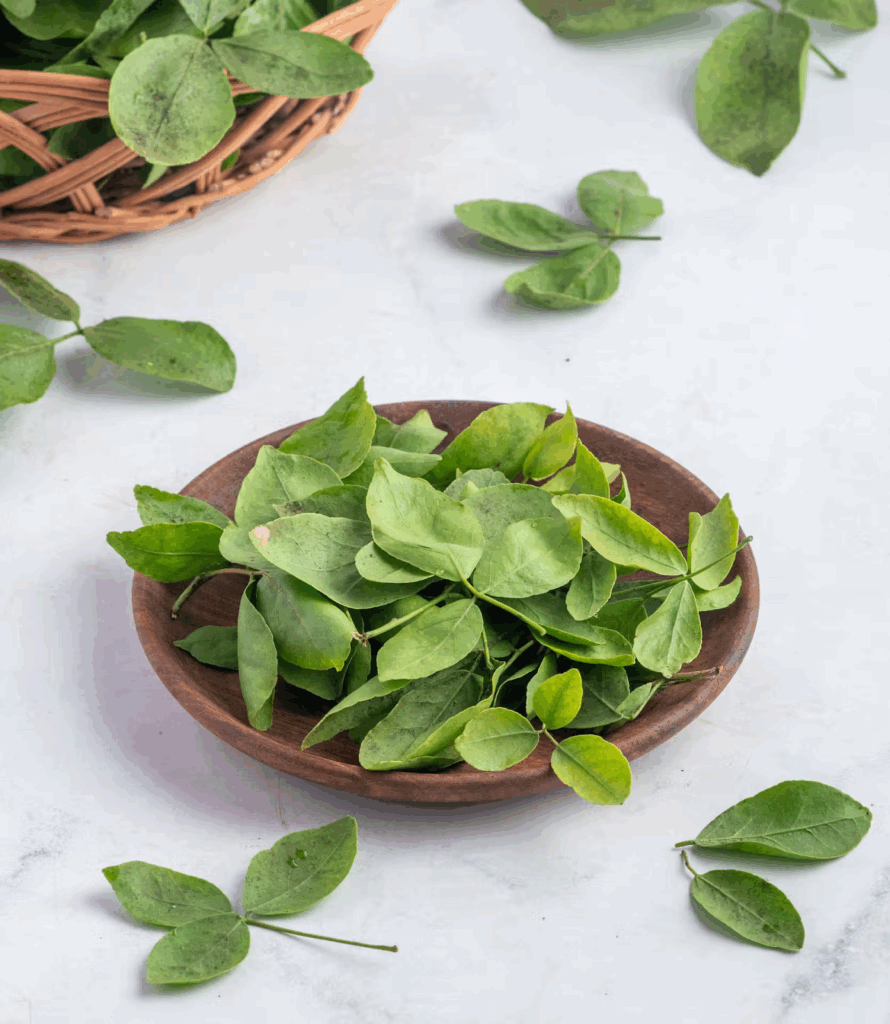
You can’t really have a Shiva puja without Belpatta. Those three leaves? They stand for the three Gunas—the forces that run our lives. Just try to find ones that aren’t torn. A single, fresh leaf offered with a clear heart is worth more than a thousand broken ones.
Lord Shiva Idol or Lingam
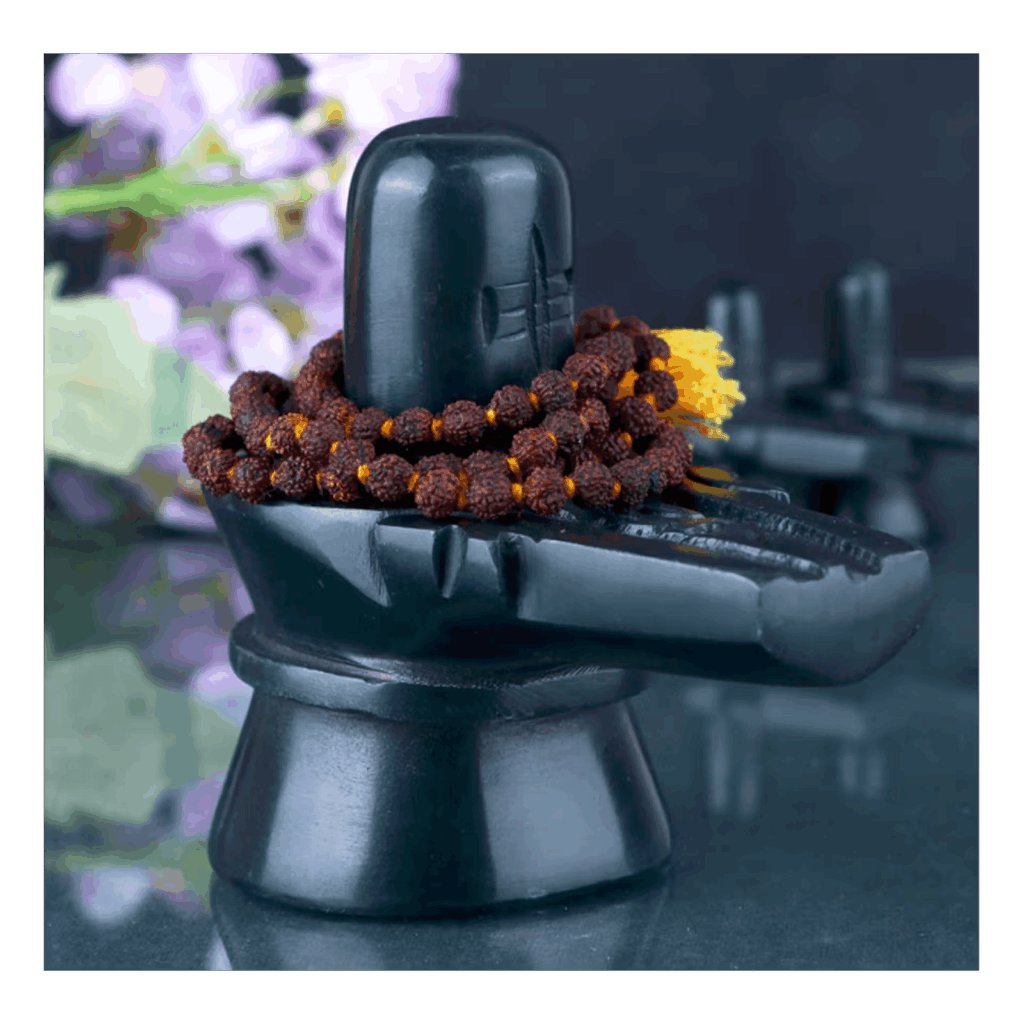
The heart of the whole thing. Whether it’s a brass Lord Shiva Idol or Lingam, or even a temporary one you made yourself, this is your focal point. Pro tip: if you’re doing an Abhishek, use a deep plate. Milk gets everywhere.
Ganga Jal
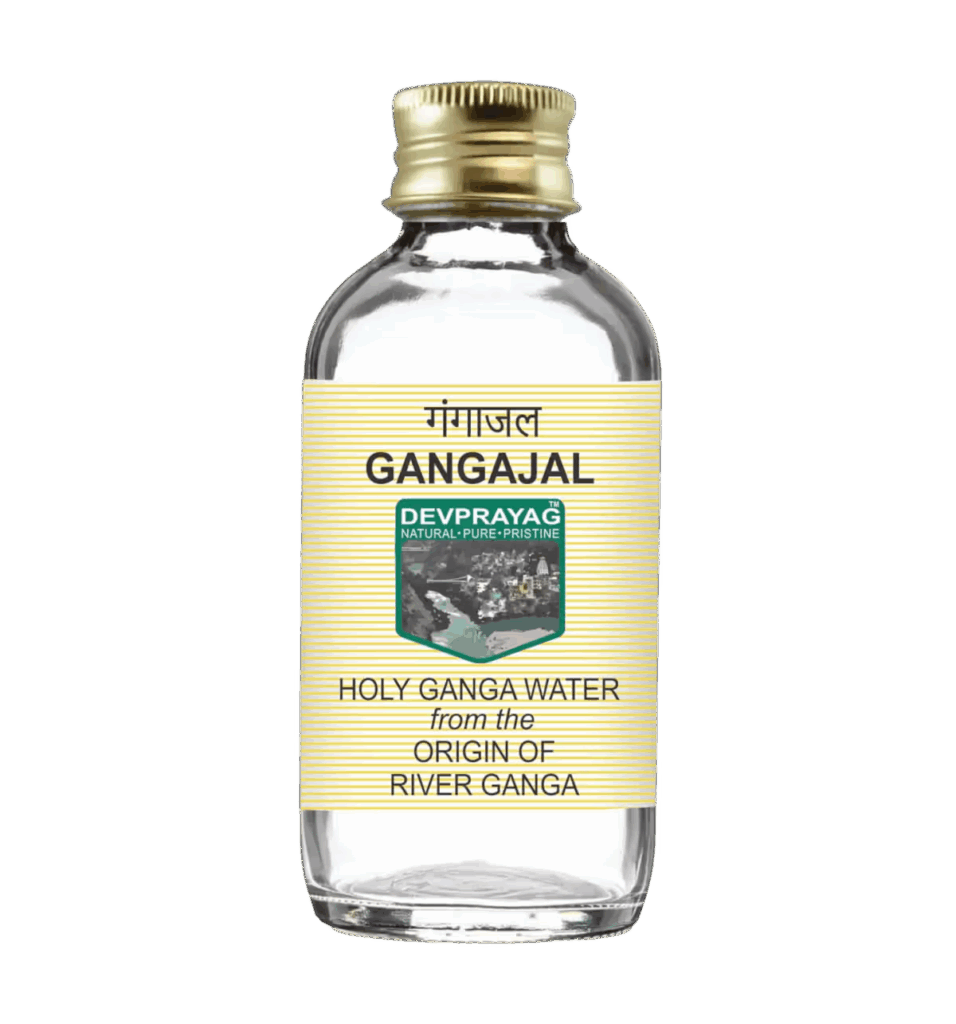
The ultimate reset button. Ganga Jal is what you use to purify everything—the idol, the space, and your own headspace—before things get moving.
Flowers for Offering
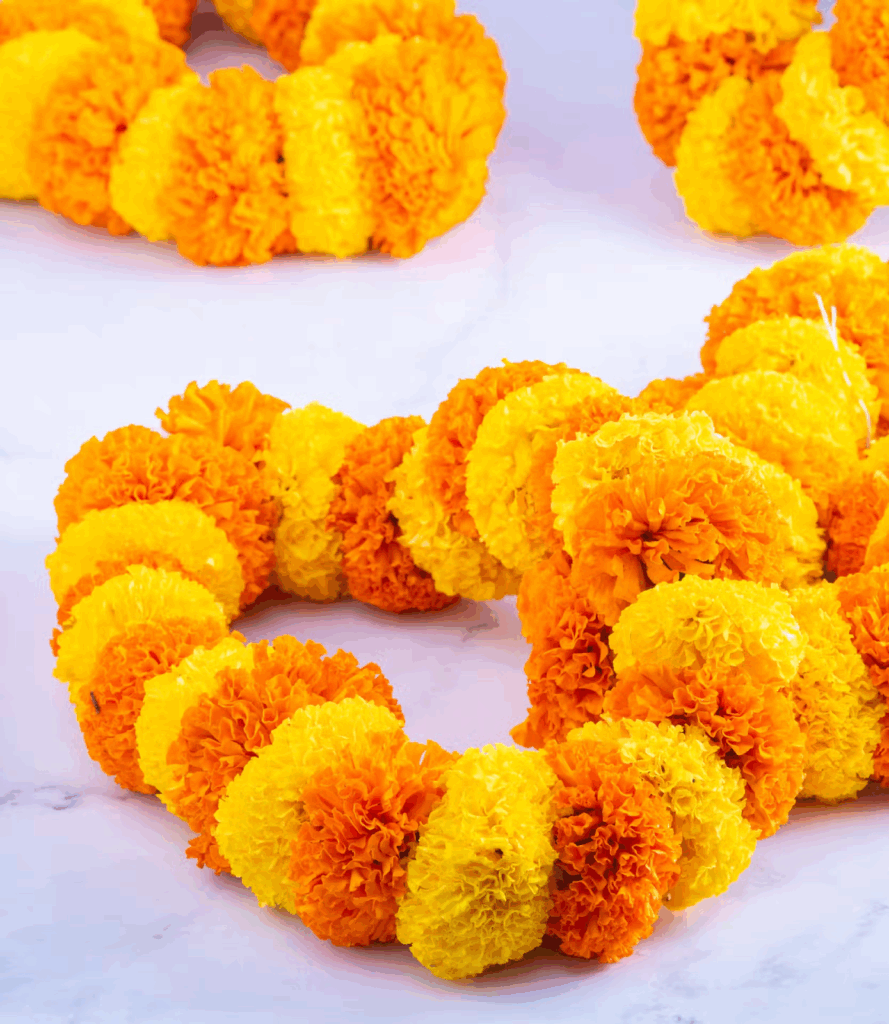
Shiva is a fan of the simple stuff. White puja flowers are the go-to. Think jasmine or white hibiscus. They look peaceful, they smell incredible, and they just set the right tone.
Dhoop and Incense Sticks

That scent? It’s a signal to your brain that says, “Okay, we’re in sacred mode now.” Dhoop and Incense Sticks carry your prayers up. It’s the classic sensory start to any ritual.
Coconut
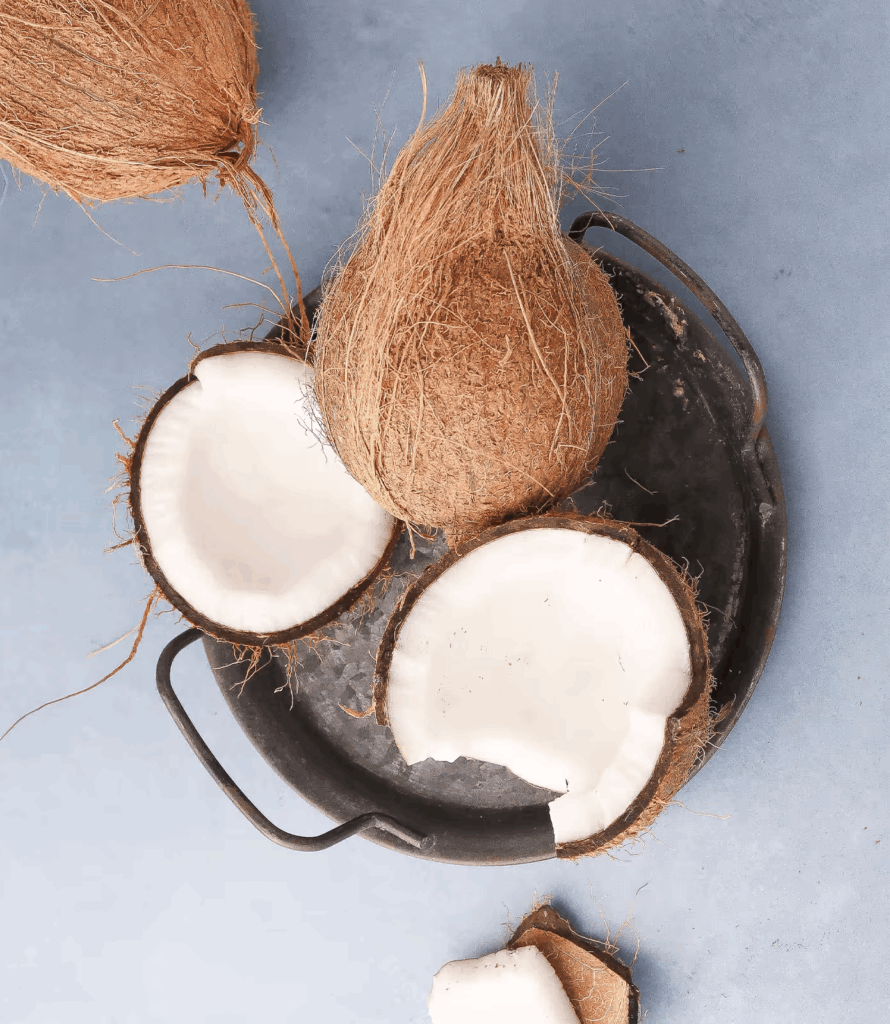
The Coconut is basically a stand-in for the human ego. Breaking it is a bit of a “shattering” of our own pride to get to the sweetness inside.
Camphor
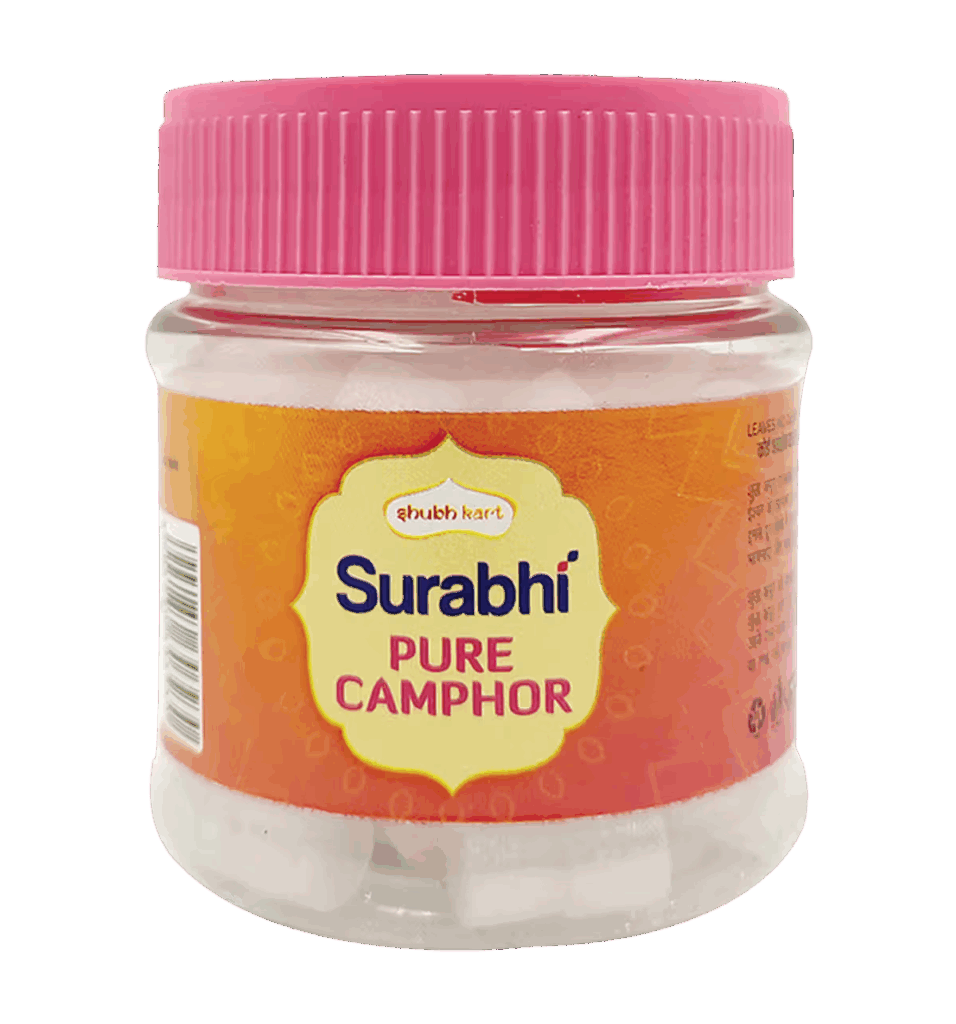
Camphor (Kapur) is the highlight of the Aarti. It burns completely, leaving nothing behind—a pretty perfect metaphor for how we should dissolve into the light.
Dhatura fruit/flower
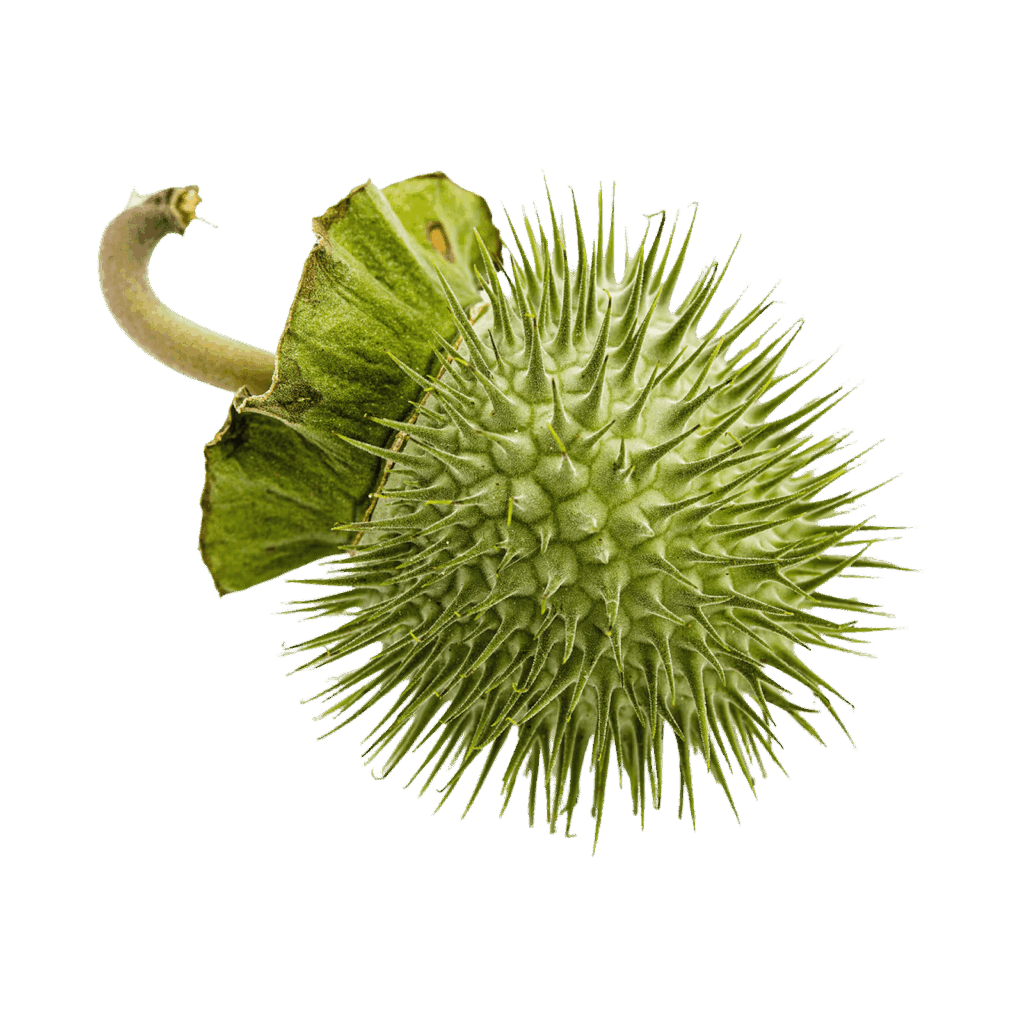
Shiva is the only one who accepts the Dhatura. It’s a wild, bitter fruit that the rest of the world kind of rejects. It’s a reminder that the Divine accepts us even when we’re feeling “bitter” or messy.
White Sandalwood
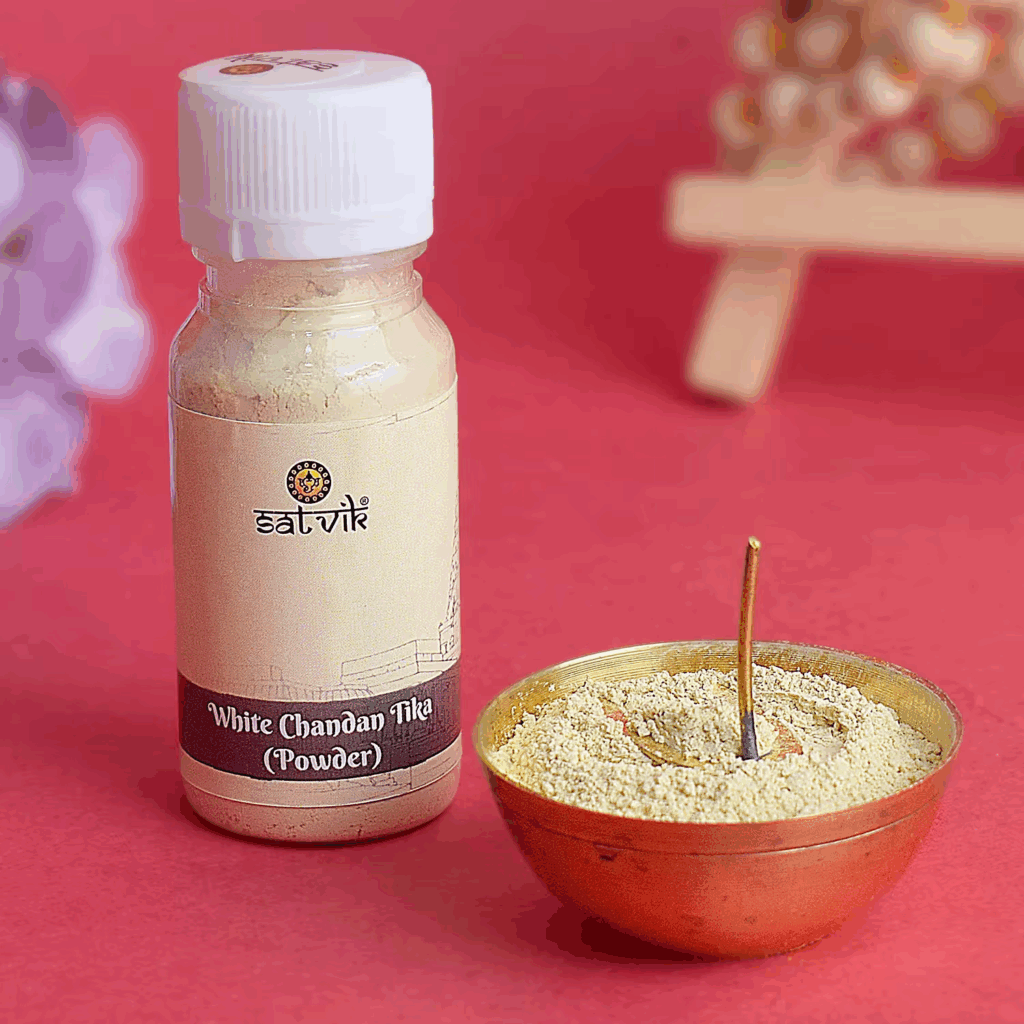
White Sandalwood (Chandan) is for cooling things down. Applying it to the Lingam is a gesture of peace. Plus, the smell is just grounding.
Janeu
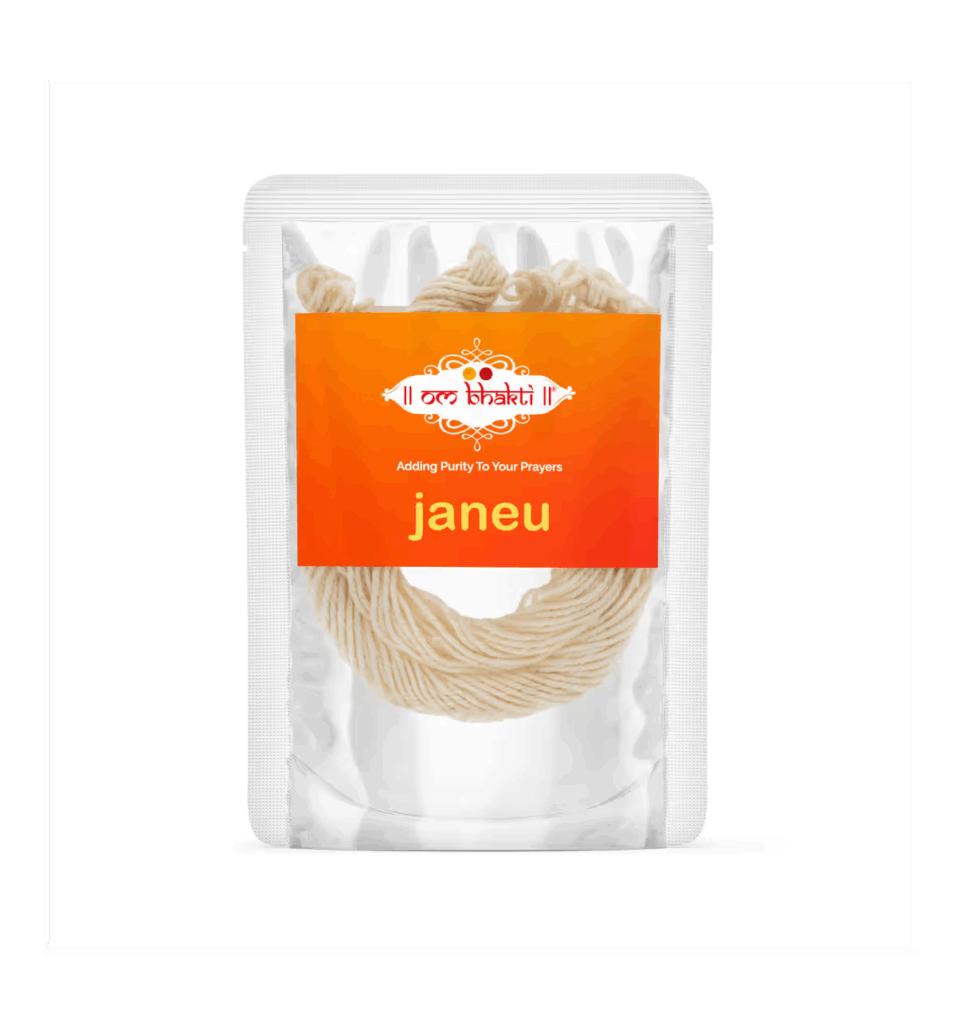
The Janeu, that sacred thread, is offered as a mark of formal respect. It’s one of those traditional touches that makes the whole ceremony feel “official.”
Betel Leaf
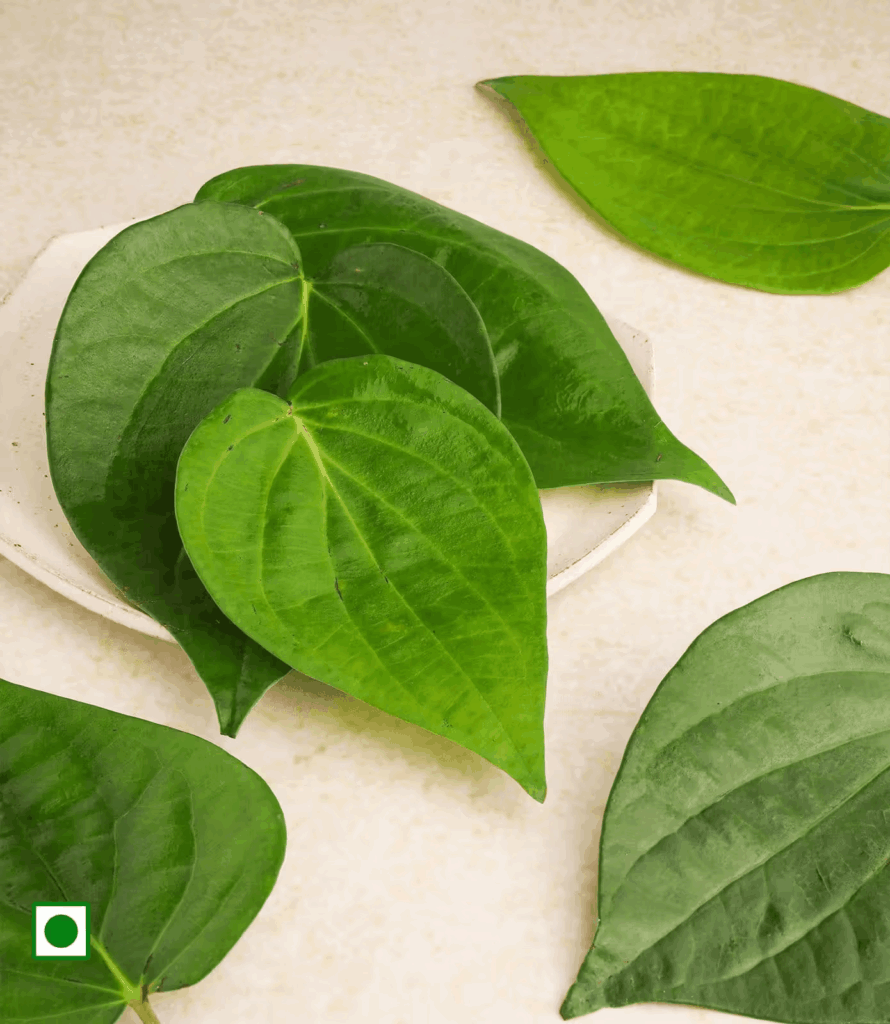
The Betel Leaf (Paan) is the traditional “base” for your offerings. Use it to hold the smaller bits like cloves and nuts so they don’t roll away.
Clove
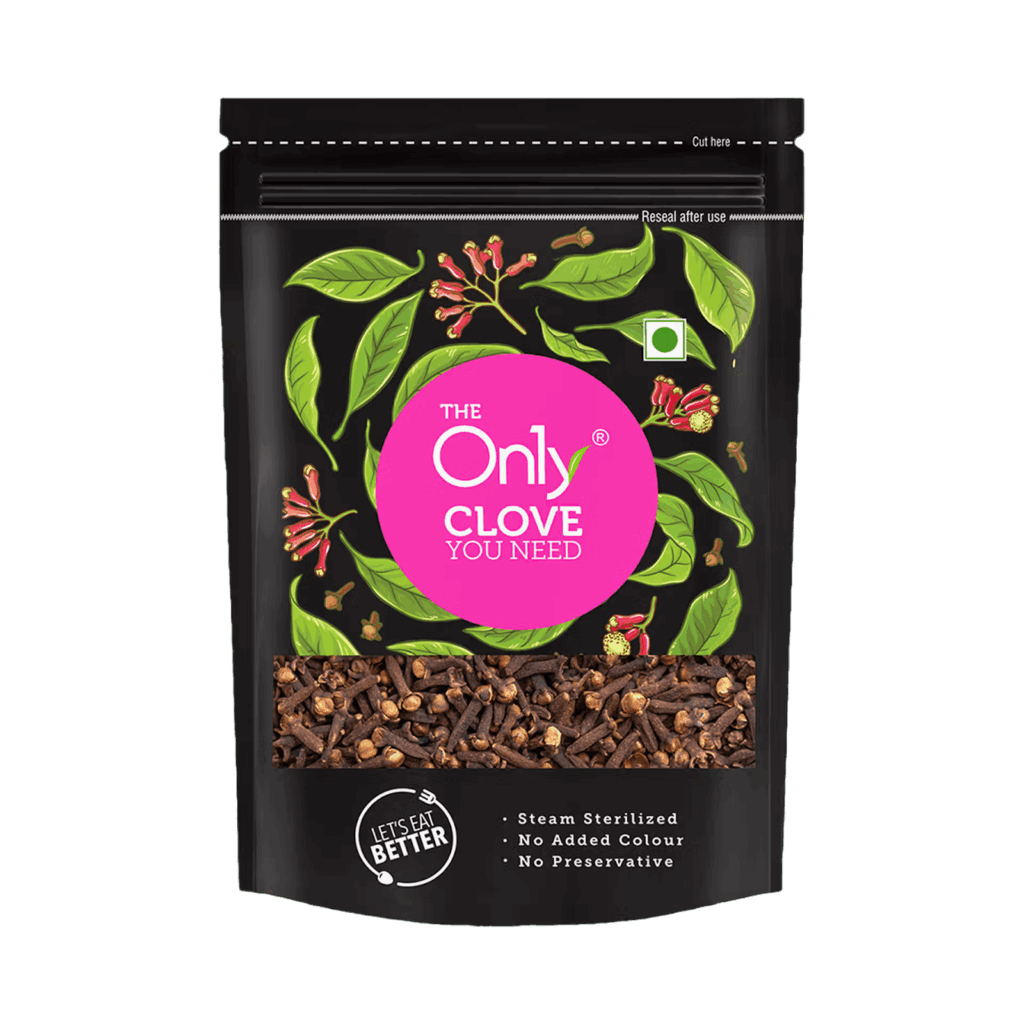
Small, sharp, and essential. Clove (Laung) is almost always tucked into the betel leaf. It represents the balance of energies in the room.
Cardamom

The sweet scent of Cardamom (Elaichi) is just a nice, sensory gift for the deity. It’s often used in the Prasad too.
Dahi
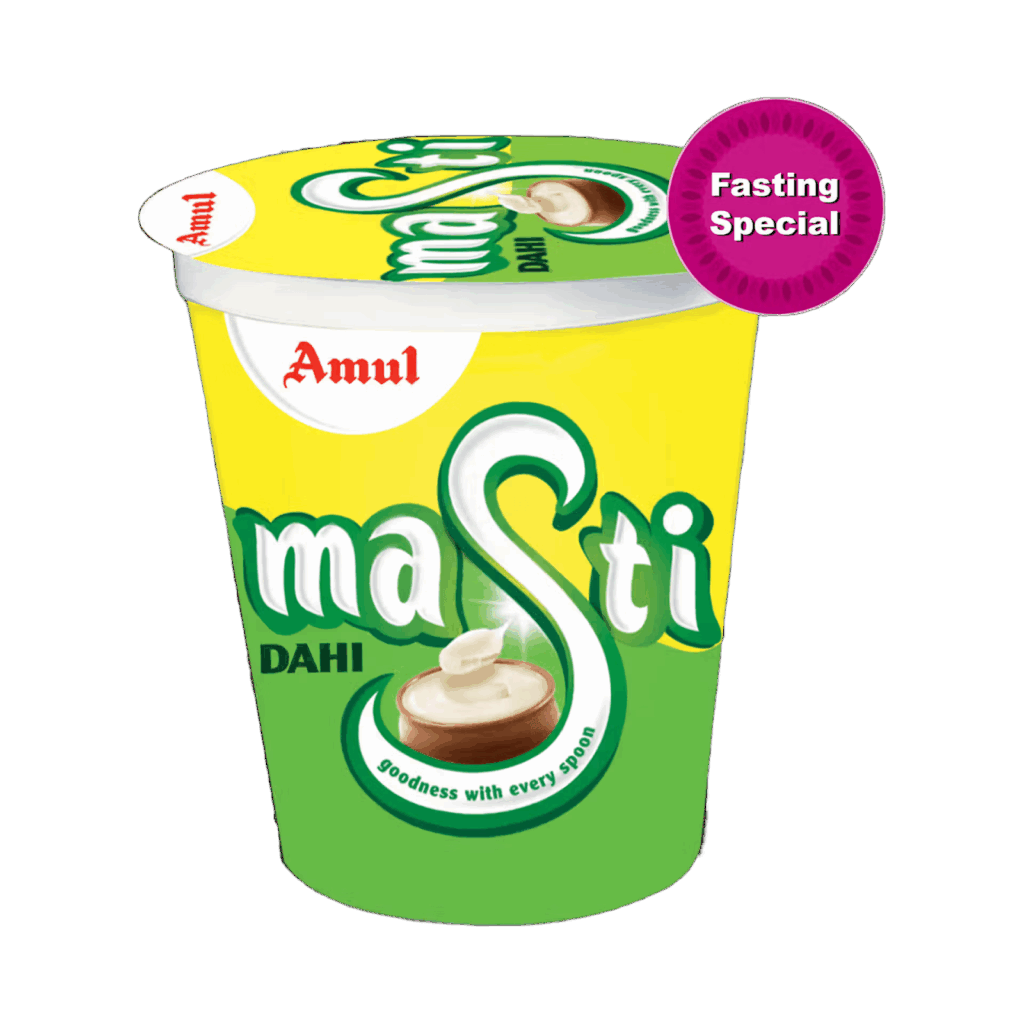
Fresh Dahi (Curd) is a major player in the Abhishek. It’s cooling, pure, and stands for prosperity. (If you forgot to set your curd last night, just grab a tub from Instamart—it works just as well.)
Frequently Asked Questions
What are the best Mahashivratri puja items to offer to Lord Shiva?
Shiva is famously “Ashutosh”—easy to please. Water and a sincere heart are the real essentials. But if you want to follow the traditional Vidhi, Belpatra, Ganga Jal, and Dhatura are the big ones.
What should you do if some items are missed from your Mahashivratri Puja Samagri?
Deep breath. It’s fine. Your Bhaav (your intention) is 90% of the puja. If you’re missing something, offer a pinch of rice instead. Or, just check Instamart. We can usually get those missing cloves or camphor to your door before you’ve even finished your first round of chants.
Can I perform Mahashivratri puja without all the items listed?
Of course. If you’re traveling or keeping it minimal, a simple Abhishek with just water and a prayer is totally valid. The mahashivratri puja samagri is there to help you focus, but the connection is already inside you.