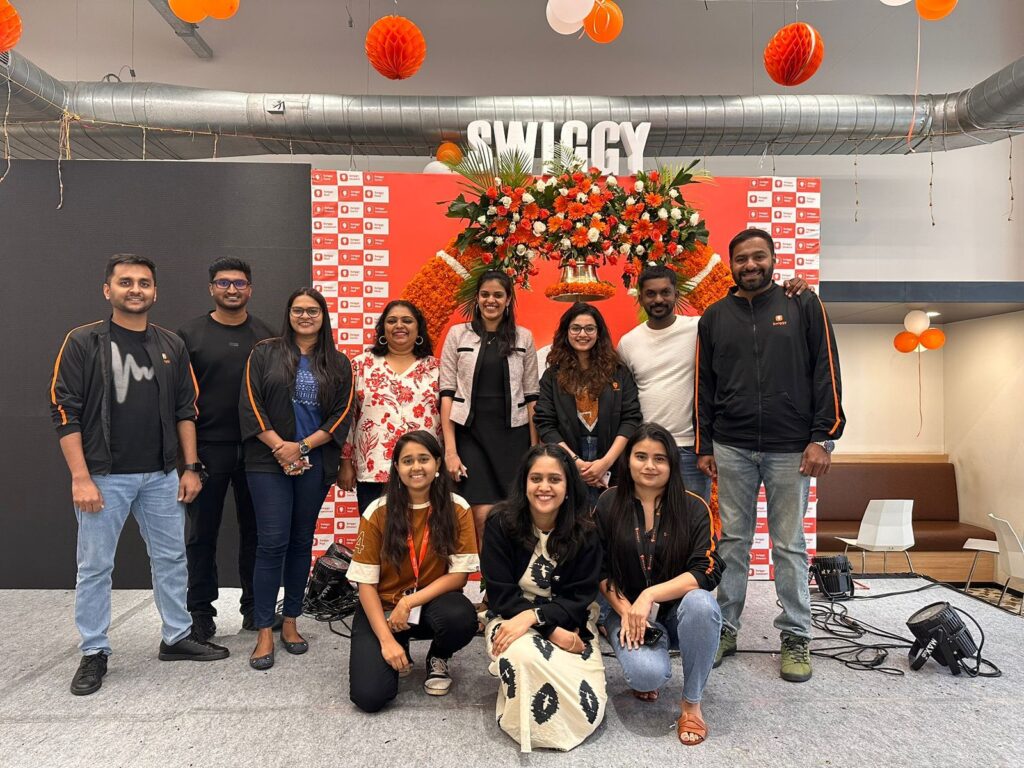
Job interviews can be tough, and a little clarity can make the whole process feel a lot lighter. Anish and Lazar from Swiggy’s Talent Acquisition team, speak to hundreds of candidates daily. They share their valuable insights. Not the usual “say this, not that” advice. Because even when you know you’re good at what you do, it’s not always easy to communicate that in a 30 to 60-minute interview.

How can a candidate make their resume stand out in an ATS system?
Apply for roles that are only relevant to your expertise and interests because recruiters use standard filters and templates for each job role.
After that, it’s about storytelling. People often write generic lines like “I worked on XYZ project.” It’s all about how you quantify your achievements and talk about the impact. Even if you’re from a small or unknown startup, it would help to know more about the company and its offerings. If you tell your story with clarity, relevance, and measurable impact, you’ll stand out. In 2025, attention spans are short. Keep your resume crisp and to the point.
How are candidates assessed for culture fit during hiring?
As recruiters, we assess for culture fit throughout the entire interview. In today’s job market, technical excellence isn’t enough; culture fit is non-negotiable.
Recruiters observe:
- How candidates achieved something is as important as what they achieved.
- We dig deeper to assess performance during adverse and challenging situations.
- We look for instances of how candidates incorporate feedback.
Ultimately, it’s not about finding similar personalities; it’s about finding someone who can work effectively and collaboratively with different people.
Are cover letters still relevant today?
In 2025, cover letters are optional, not mandatory. 99% of cover letters aren’t read. Recruiters, on a daily basis, handle way too many profiles to go through them.
Exceptions exist for senior leadership roles, where a well-written cover letter that clearly explains fit and motivation can stand out. However, in new-age tech companies, cover letters are largely outdated.
How do recruiters view career gaps?
Career breaks are more common today, and recruiters understand that people take time off for various valid reasons — health, personal commitments, or simply to recharge. Now, Recruiters focus less on the gap itself and more on how candidates have used that time and how ready they are to re-enter the workforce.
If you’ve spent time learning new skills, freelancing, volunteering, or pursuing certifications, make sure to highlight that as it shows initiative and adaptability. For longer breaks, clarity and continued engagement within your field make a big difference.
How do recruiters assess technical skills in candidates?
Recruiters primarily assess a candidate’s technical ability using formats that mirror the actual job and test skills outlined in the job description. They often use assessment tools to standardize the shortlisting process.
At Swiggy, we judge a candidate’s technical skills by what they mention in their projects. In other cases, hiring managers provide a screening questionnaire to judge eligibility. Recruiters with a tech background are better at assessing a candidate’s tech skills based on project complexity and involvement, helping us determine if they meet our expectations.
Candidates are usually nervous. How should they communicate effectively, irrespective of that?
Interview nerves are completely normal. The key to good communication, despite the nervousness, lies in structure, preparation, and mindset.
Practice storytelling ahead of time. Think of 5–7 career stories (projects, failures, solutions) and mentally rehearse them. Use the STAR format (Situation — Task — Action — Result) to explain your work and experience.
Don’t try to rush in with all the things you’ve memorised; instead, focus on how you deliver your work experience with confidence. Remember that recruiters generally want to see how you think, not just the “correct answer”.