There is a lot of talk around AQI lately. Every winter, the same headlines return. “AQI crosses 300.” “Air turns severe.” “City under smog.” Schools consider closures. Offices send health advisories. Masks come back into discussion.
But what is AQI meaning, and why does it affect daily life in Indian cities? This blog explains AQI, its risks, and how to protect yourself.
AQI full form and meaning
Air Quality Index (or AQI) is the number which shows how good or bad the air is around you. It combines different types of pollution into one score. So, anyone can understand it without checking separate readings.
A smaller number displays that the air is cleaner and safer for daily activities. A bigger number showcases more pollution in the air. Thus, leading to coughing, breathing trouble or irritation.
AQI impact, Risks and Solutions
Air pollution affects everyone; some people could feel irritation. Others may not notice immediate symptoms. But exposure can still affect long-term health.
AQI exists to help people assess risk and decide how to act.
How to measure AQI level?
AQI is calculated using data from official air monitoring stations. Listed below is the process of how it works:
- Monitoring stations collect air samples from different areas.
- These are tested for key pollutants like PM2.5, PM10, nitrogen dioxide, sulfur dioxide, ozone and carbon monoxide.
- Each pollutant concentration is converted into a standard index value using a fixed formula.
- The highest pollutant value becomes the AQI for that location at that time.
The number is then placed into a health category, that is, Good, Moderate or Hazardous.
What is the Normal AQI Level?
AQI level It is divided into 6 categories. These are as follows:
0 to 100 – Good AQI Level
The air is mostly safe. Step outside without any worry.
101 to 200 – Moderate AQI Level
The air is a little polluted. Children and older people may feel uneasy. People with asthma or heart problems may face difficulties. Slight irritation in the throat or chest.
201 to 300 – Poor AQI Level
The air is unhealthy. Many people may feel discomfort.
301 to 400 – Very Poor AQI Level
The air is very polluted. Breathing problems can increase. Stay indoors.
401 to 500 – Severe AQI Level
The air is dangerous. It can cause serious health problems. Avoid outdoor activities.
How does the AQI increase?
AQI goes up when dirty air stays in one place and does not clear out. Reasons for this include:
- Vehicle exhaust, especially in heavy traffic
- Construction dust and road dust
- Industrial emissions and power plants
- Burning of garbage or biomass
- Seasonal crop residue burning
- Firecrackers during festivals
- Low wind speed which prevents pollutants from dispersing
- Winter temperature patterns that trap pollutants close to the ground
What are the signs when AQI increases?
When AQI rises, the change becomes noticeable.
Visually, the sky may look hazy. Distant buildings appear blurred. Sunlight may look dull.
Physically, people may experience:
- Itchy or watery eyes
- Sore or dry throat
- Persistent cough
- Headache
- Chest tightness
- Shortness of breath (during mild activity)
People with asthma may require inhalers more often. Some individuals report disturbed sleep due to throat irritation even when symptoms are mild, exposure continues.
How to overcome high AQI levels?
When the AQI rises, you can notice it quickly. The sky may look grey. The air does not feel fresh. You might feel slight heaviness while breathing.
You cannot stop outdoor pollution. But you can protect yourself by following these measures:
1. N95 Mask
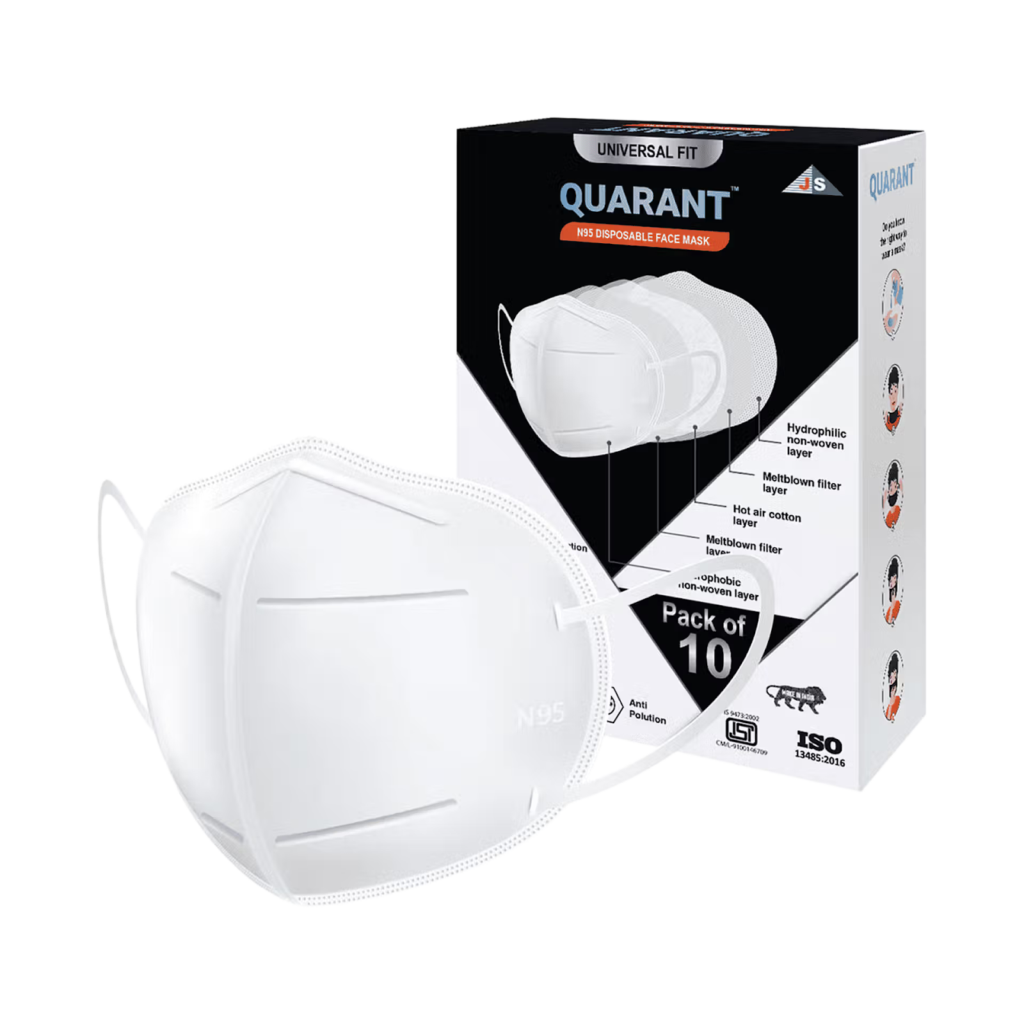
If you have to step outside, wear a proper N95 mask. It blocks very small dust particles. Make sure it fits well on your nose and under your chin. Loose masks do not work properly. Cloth masks may feel easy to wear, but they do not give strong protection.
N95 Mask for Air Pollution: Order Now
2. Air Purifier
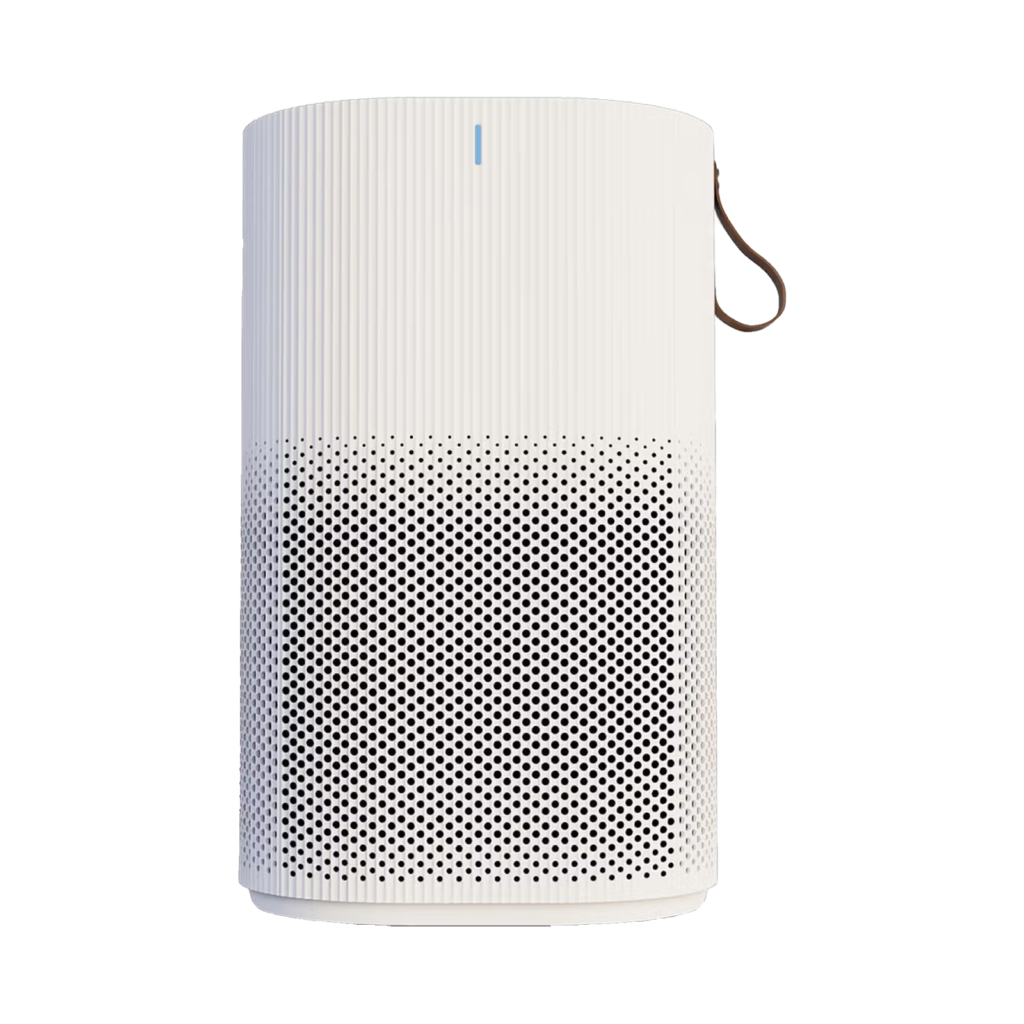
Inside your home, keep the air clean. Use a HEPA air purifier in the room where you sit or sleep most of the time. Clean or change the filters on time.
Air Purifier: Order Now
3. Humidifier
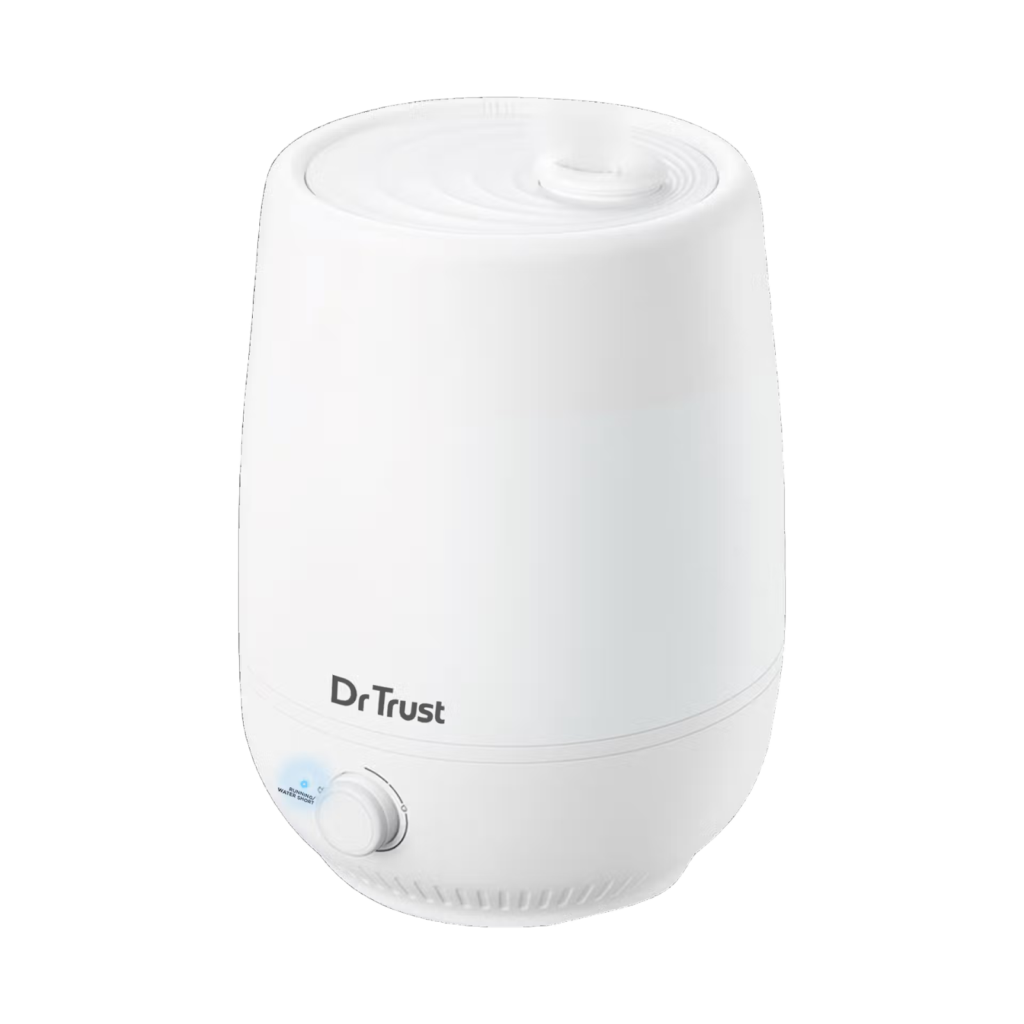
A humidifier can reduce dryness in the throat. It also helps keep the air slightly moist. And it may also help soothe irritation caused by polluted air.
Humidifier: Order Now
4. Nasal Spray
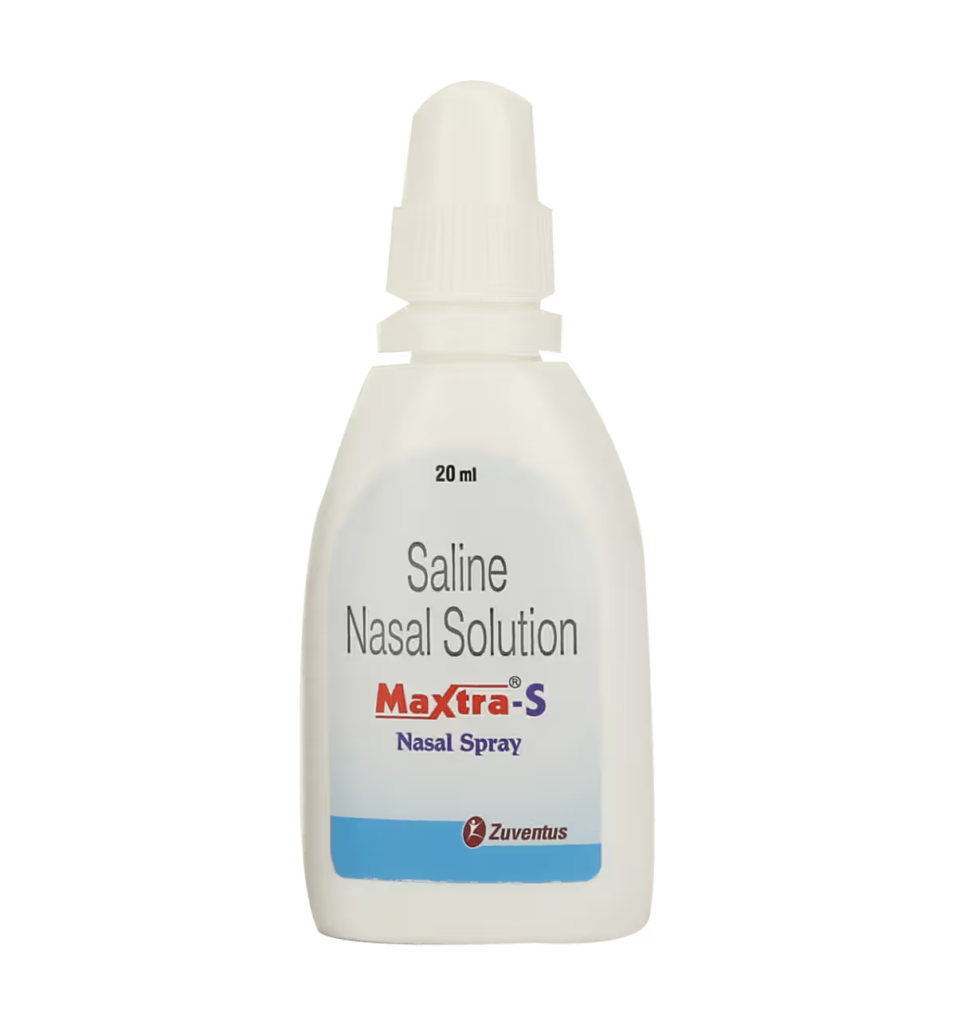
A simple nasal spray can help remove dust from the nose. Using it after returning home can clear trapped pollutants and make breathing more comfortable.
Nasal Spray: Order Now
On high AQI days, skip outdoor workouts. Avoid long walks near busy roads. Keep windows shut when pollution is high. Do not burn incense sticks or smoke indoors. This is because it adds more pollution inside the house.
What Are the Health Risks of High AQI Levels?
High AQI can harm your health. Your eyes can sting. Your throat can feel rough. You may cough or hear a wheezing sound while breathing. Even simple activities can feel tiring. For people with asthma, polluted air can quickly trigger breathing problems.
Long exposure to polluted air can lead to serious problems. It can damage the lungs and reduce their strength. It may also increase the risk of heart disease, stroke, lung cancer and can make conditions like diabetes worse.
Simple Steps to Stay Safe During High AQI
Before planning outdoor activity, check the current AQI. Weather apps and official monitoring platforms provide regular updates.
If AQI is high, adjust your routine. Shift workouts indoors. Limit prolonged outdoor exposure. Use protective measures when necessary.
AQI is not meant to alarm. It is meant to inform. Stay aware, make safer choices and protect your and your family’s health every day. Shop essentials at great prices quickly from Swiggy Instamart.
Frequently Asked Questions
How often does AQI change?
AQI changes multiple times a day. It is because of traffic levels, wind patterns, temperature and sunlight. All factors influence pollution concentration.
How to check the current AQI?
You can check the current AQI on weather applications.
What causes AQI to increase?
Traffic emissions, industrial activity, dust, burning of waste or biomass and certain weather conditions can give rise to AQI levels.
Can AQI levels be different in different areas?
Yes. In the same city, busy roads, factory areas and heavy construction zones have higher AQI. Residential and greener areas have lower pollution levels.
Can AQI affect mental health?
Yes. High AQI can affect your mind, too. It can cause stress and irritation.