How a handful of hidden gems evolved into one of India’s most loved food brands – powered by local makers, obsessive quality checks, and a belief that food should be made the way it’s meant to be.
In 2025, NOICE launched on Instamart with a simple belief – food made right has a way of making people smile.
The team wasn’t trying to reinvent food. Instead, they set out to make well-made products more accessible, products free from palm oil, preservatives, and shortcuts. Rather than building factories of their own, they partnered with local food makers across India who were already doing things the right way.
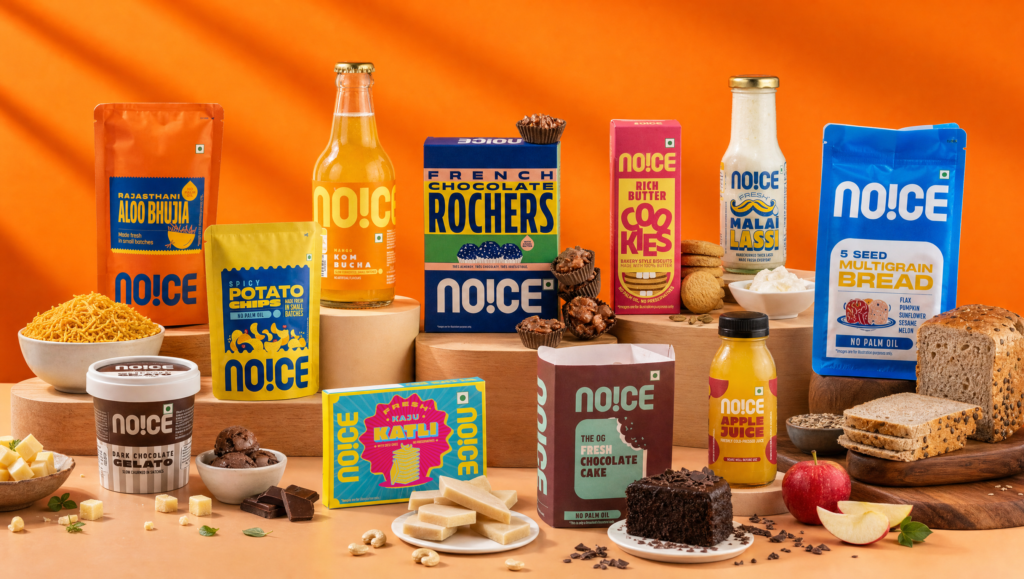
One year later, that idea has grown into more than 400 products across 20 categories, powered by a network of over 60 local manufacturing partners across the country.
But the story of NOICE began much earlier.
It Started Before NOICE Was Called NOICE
Before there was NOICE, there was InsanelyGood – a venture built around curated, high-quality food products.
“We wanted to be an aggregator of high-quality products,” recalls Royan Mody, Vice President – Category. “But there were certain products that we had in mind that were truly high quality, and no brand was really making them. That’s when we said, ‘If nobody is doing it, let us do it ourselves.'” Those products quickly found an audience.
“When we saw the kind of consumer love they were getting, we decided to bring all those promises together into one brand that we could scale across India”, says Royan.
The name itself emerged from a desire to create something memorable, fun, and relatable. “We wanted a short name that was quirky, fun, and described what the product was about,” Royan explains. “The creative team came up with NOICE, inspired by Brooklyn Nine-Nine, and it just stuck.”
The first product they worked on? Paneer. Today, that paneer remains one of NOICE’s bestselling products.
More Than Products. A Philosophy.
NOICE has become one of those words that works in any context – a reaction, a compliment, a feeling. That spirit eventually became the brand philosophy itself. Building that identity came with an unusual challenge. Unlike most food brands, NOICE wasn’t created for a single category.
As Shakoon Khosla, Designer, Branding, Logo & Product Packaging, explains: “The interesting thing about NOICE was that it wasn’t being built for a single category. It was being built as a homegrown brand that could eventually stretch across everything from chips and cookies to protein, atta, oils, or even categories we hadn’t thought about yet. That meant we couldn’t rely too heavily on category cues. The logo had to work just as comfortably on a pack of chips as it would on something completely different.”
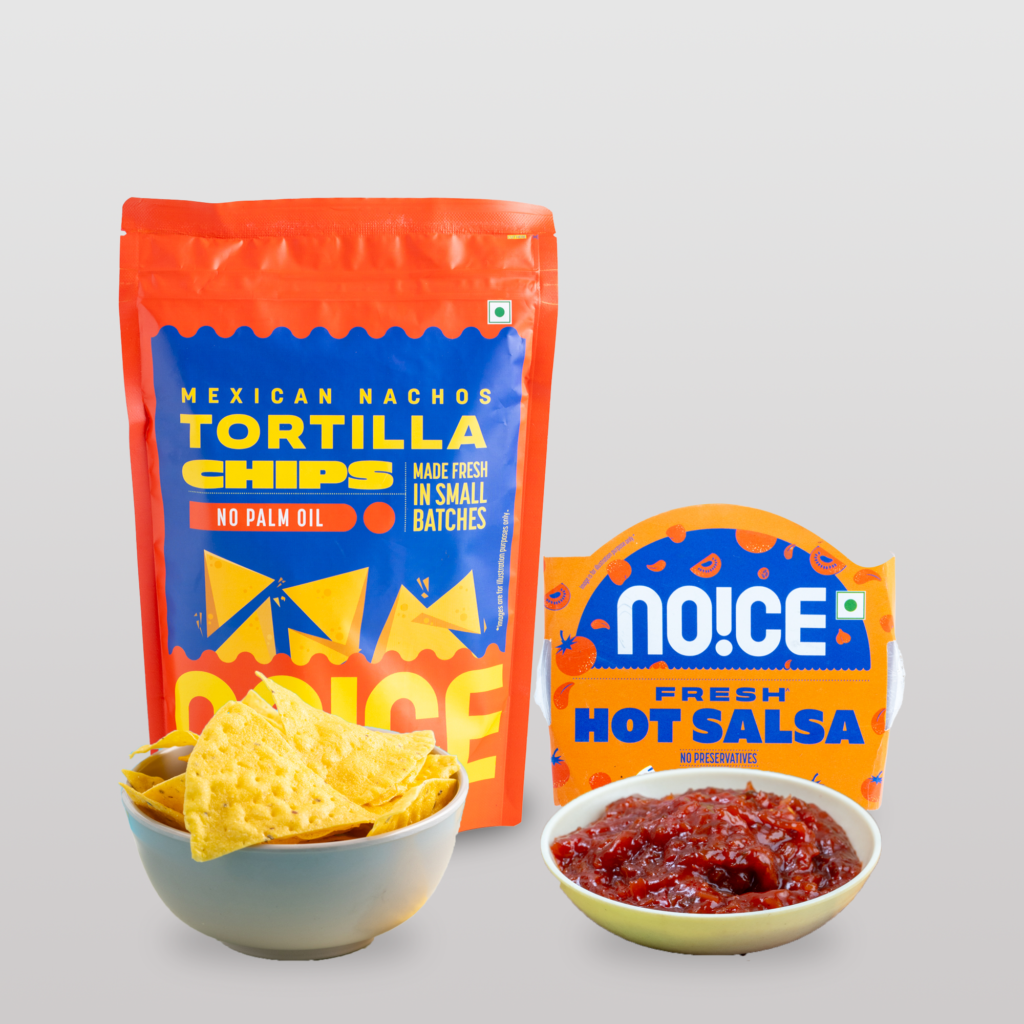
Rather than designing around a category, the team designed around an attitude. “We focused on creating something bold and memorable, while keeping it flexible enough to travel across a very wide range of products,” Shakoon says. That decision would go on to shape not just the packaging, but the personality of NOICE.
As Mayur Hola, Vice President of Swiggy Brand Marketing, puts it: “We conceived NOICE to be a better version of everything. From product to packaging, pricing to placement. And we believed that a world exists where people will gravitate towards the good if it’s presented to them simply.”
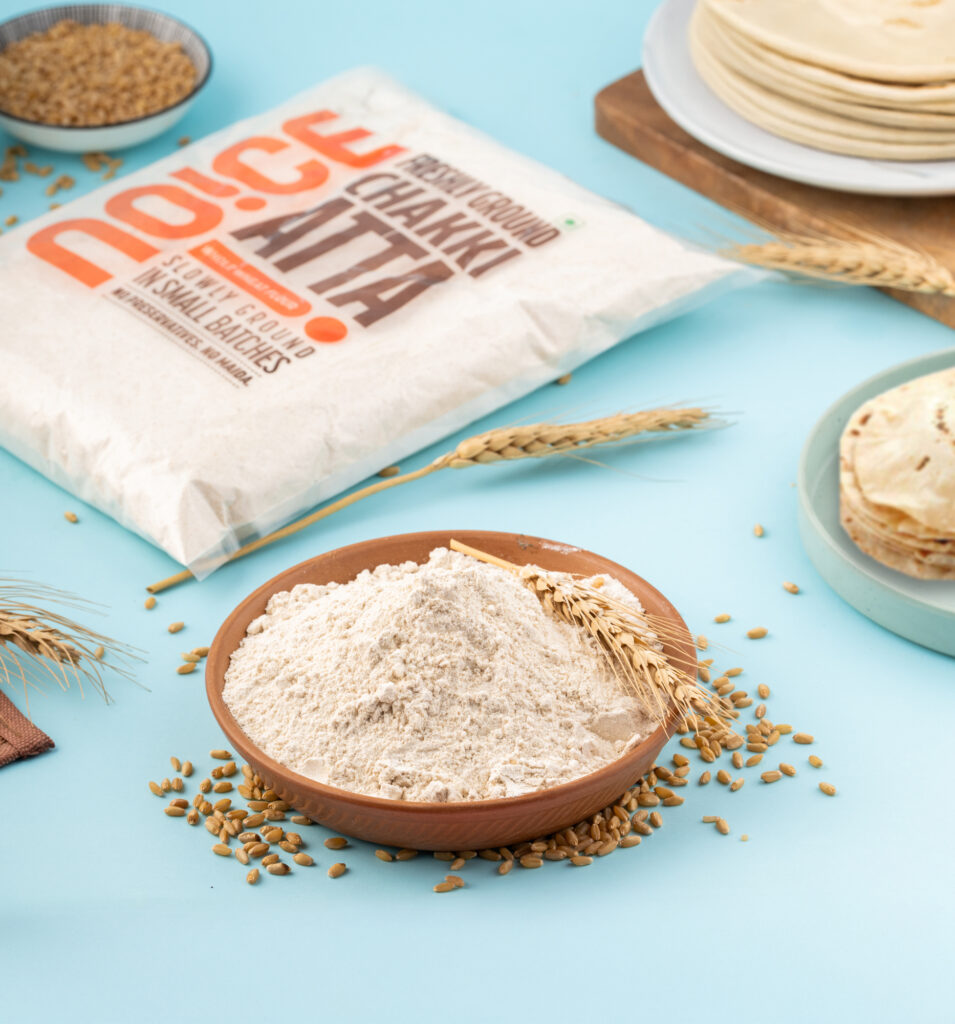
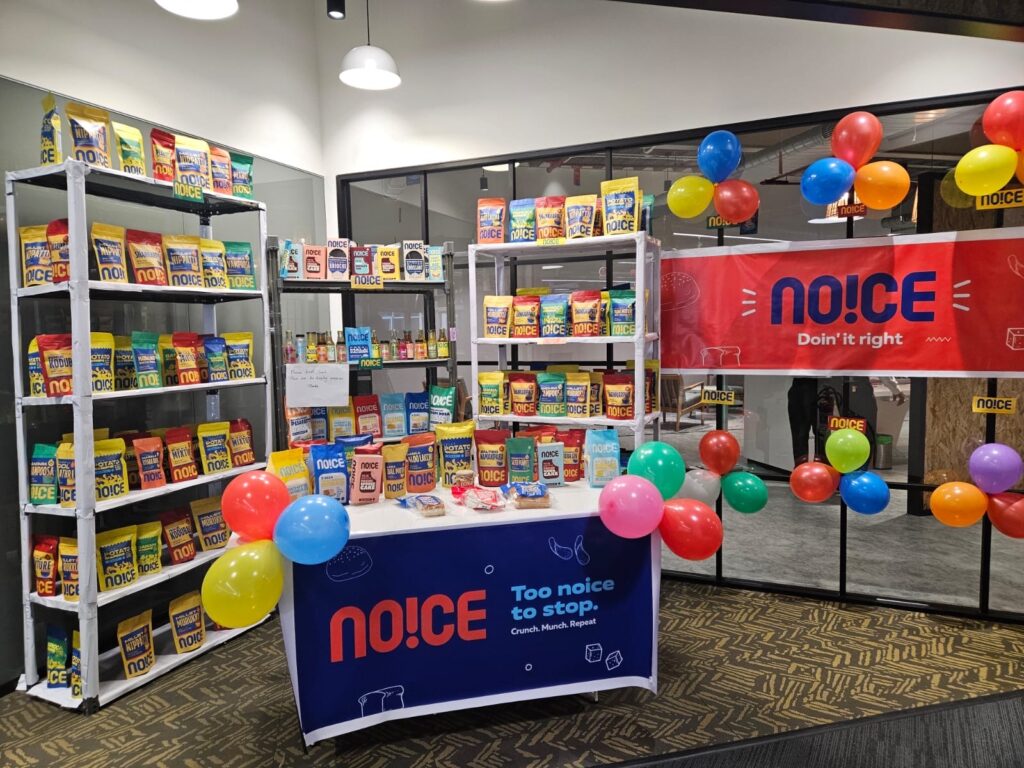
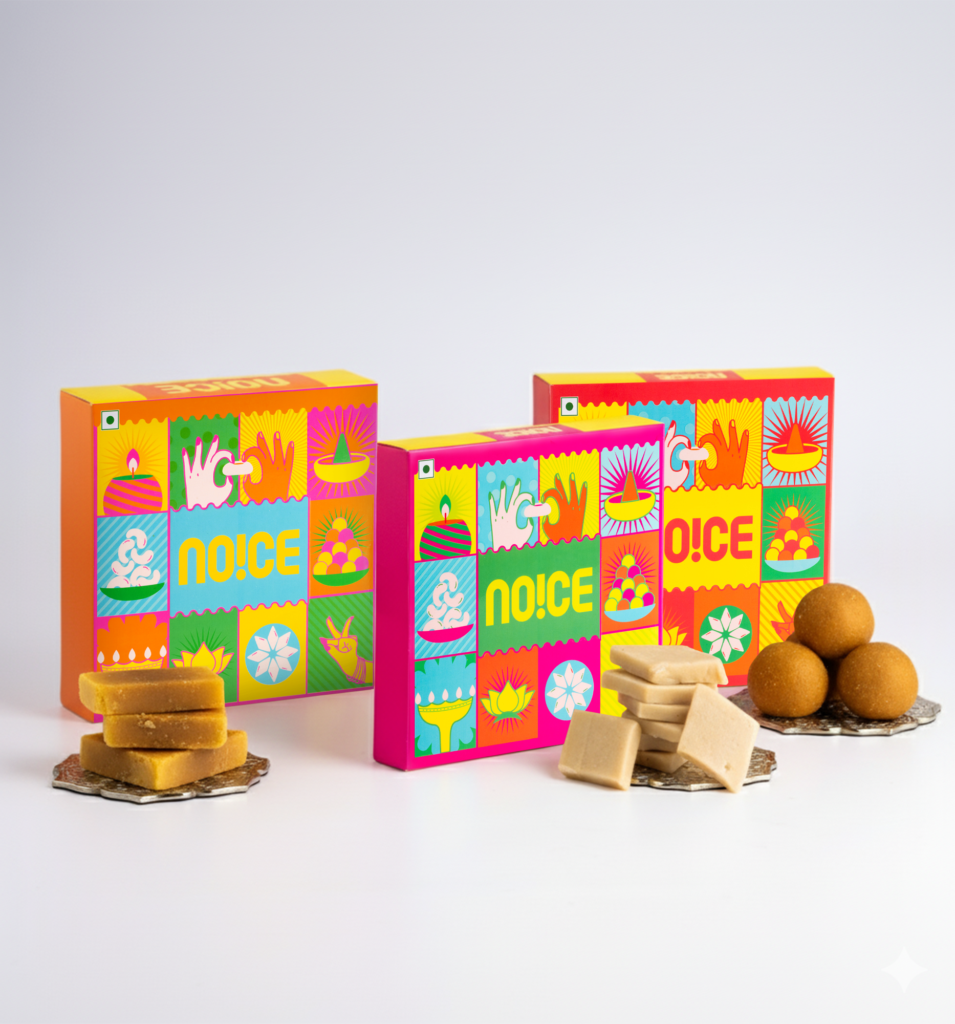
Today, that philosophy extends across freshly baked breads, cookies, cakes, fresh batters, dairy products, juices, snacks, sweets, chocolates, and more. What truly differentiates NOICE isn’t the size of the portfolio. It’s how those products are made.
Scaling Without Taking Shortcuts
As NOICE expanded, the challenge was obvious: how do you scale quality without compromising it? The answer wasn’t bigger factories; it was more partners. “Till date, the products that we talk about as small-batch are handmade,” says Royan. “The way we’ve scaled up is through more vendors, not bigger factories.”
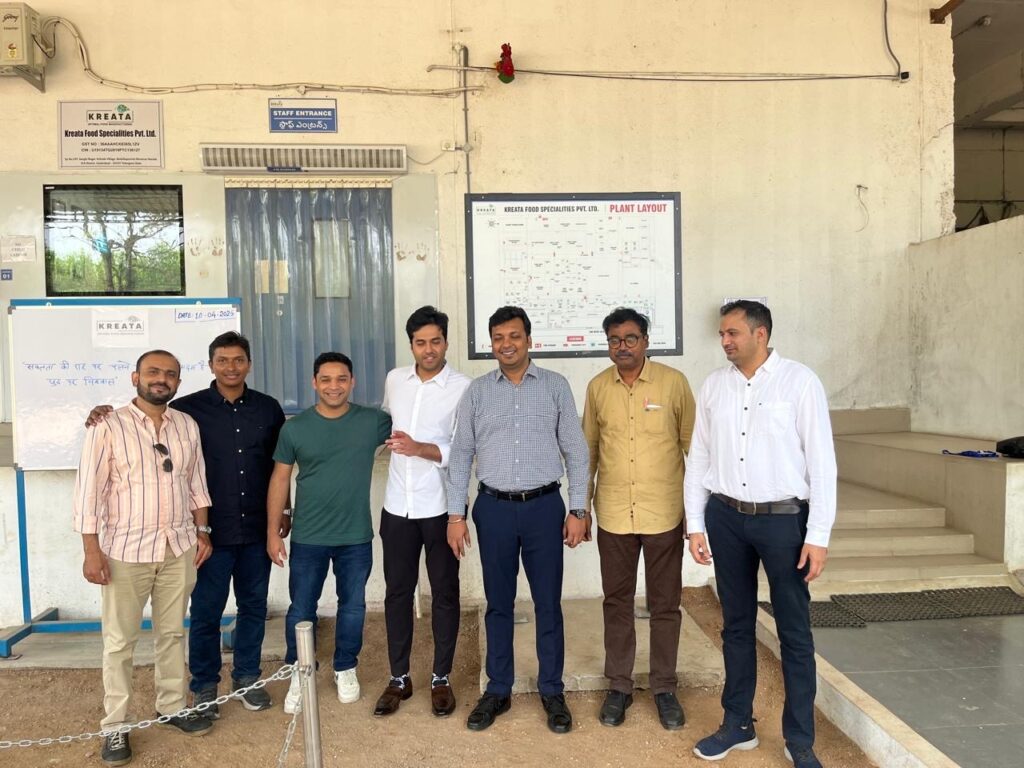
Instead of relying on a centralised facility, NOICE works with manufacturing partners across Bengaluru, Hyderabad, Delhi, Mumbai, and several other cities. “We’ve got manufacturers in different cities doing more of the same,” he explains. “Products in Bangalore don’t always taste exactly the same as those in Delhi, and that’s because different partners are making them while focusing on local preferences.”
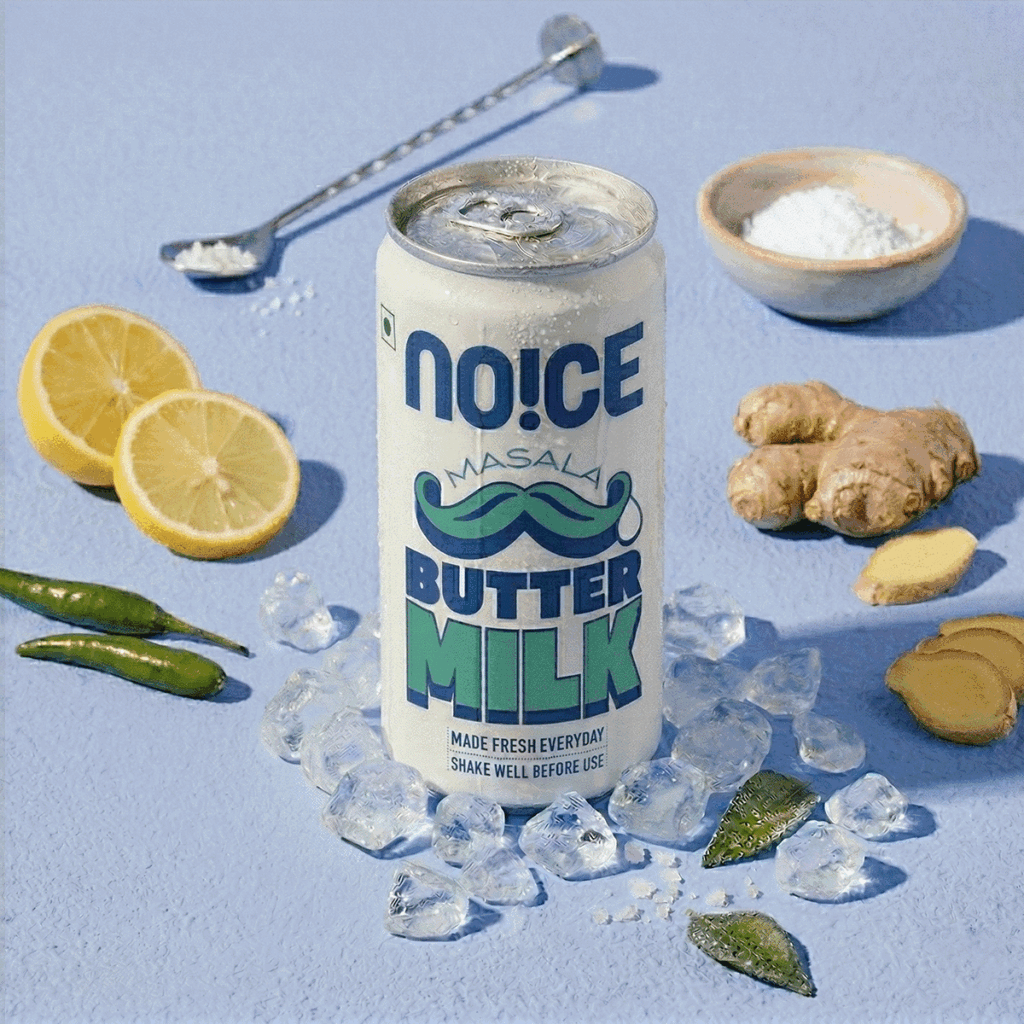
This approach allows the brand to preserve regional nuances rather than a single national recipe. Buttermilk tastes different in Chennai than it does in Delhi. Mysore Pak varies across cities. Even bun maska preferences change from region to region. Rather than standardising everything, NOICE embraces those differences.
For Tijil Thomas, Director – Buy Ops, maintaining quality while scaling has always started with one simple sourcing principle. “From day one, we’ve never sourced a product that we wouldn’t confidently use ourselves or give to our own families. We have always prioritised quality and consistency over chasing the lowest cost. Building trust requires choosing the right manufacturing partners and maintaining uncompromising standards.”
The Infrastructure Behind Every Bite
Behind every product lies a detailed process.
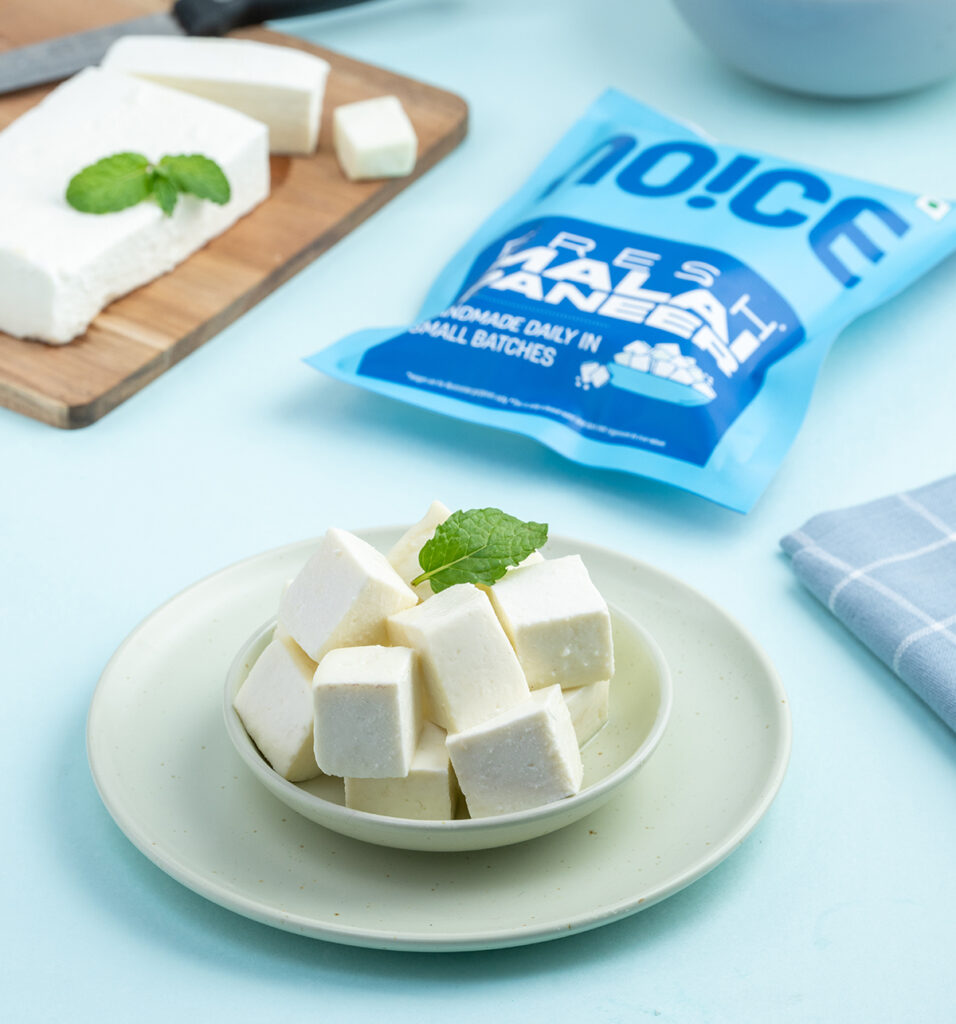
The paneer is prepared using muslin cloth because that’s what gives it the texture customers associate with homemade paneer. The banana chips are fried in coconut oil sourced from Kerala. The gelatos are slow-churned. The chocolates use real couverture chocolate made with cocoa butter instead of palm oil. And every manufacturing partner follows quality guidelines. Behind those guidelines sits a quality framework that has evolved alongside the brand.
“At NOICE, quality has never been a department, it has been a commitment,” says Anvesh Penuballi, General Manager – QHSE. “Every product must be worthy of the trust our customers place in us.”
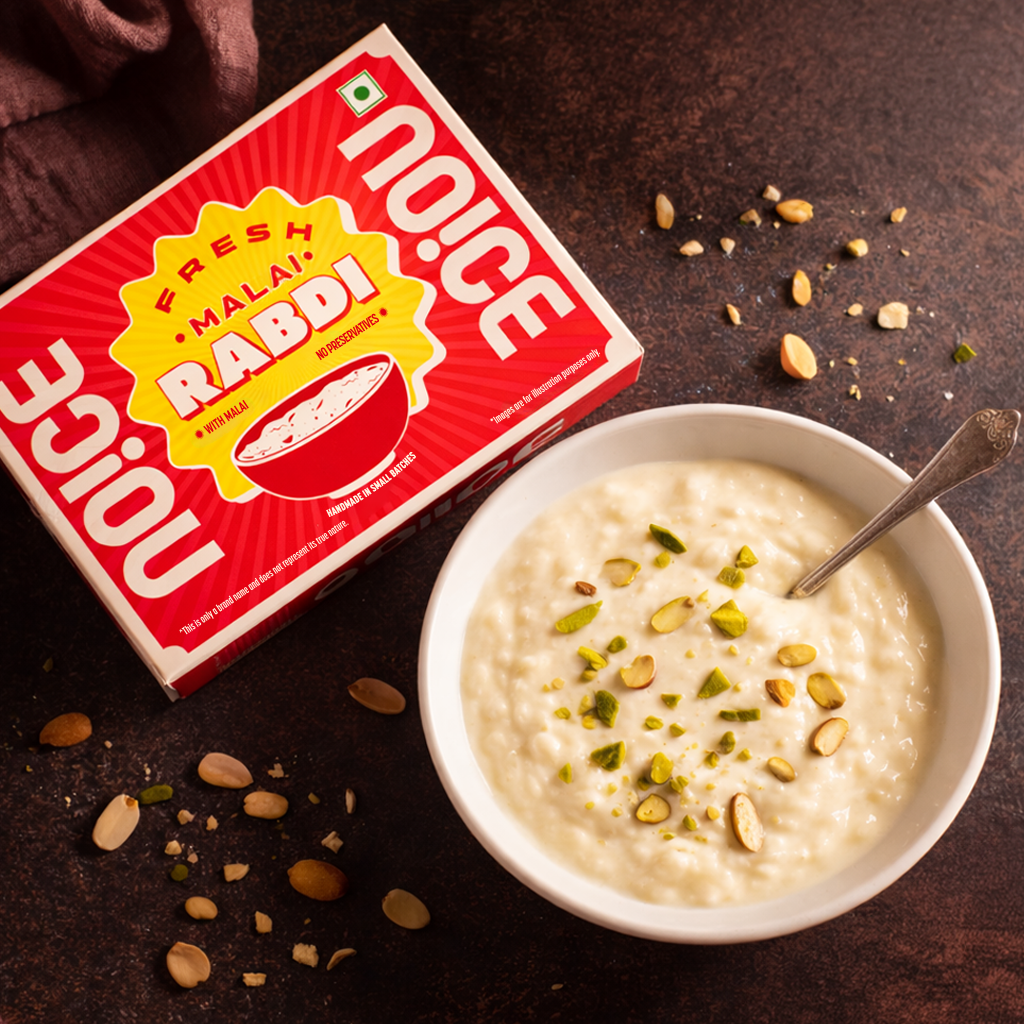
As the portfolio expanded, the focus shifted from inspecting quality at the end of the process to building it into every stage of product development. From supplier qualification and manufacturing audits to shelf-life validation, packaging testing, laboratory verification, and batch quality checks, the objective remains the same: ensuring every NOICE product delivers the experience it promises.
“We put processes in place,” explains Shilpi, Brand and Revenue Head. “For paneer, every city has its own manufacturer. But the technique remains the same. Muslin cloth has to be used. The raw materials have to meet certain standards.”
The same philosophy applies across categories.
“We develop and align on a recipe with one vendor first,” she says. “Once we know consumers love it, we take that exact recipe and process to other cities and ask partners to replicate it.”
How a NOICE Product Is Born
Every new product begins with a conversation, whether sparked by a consumer trend, a manufacturing possibility, or simply a food people miss eating.
“We have daily meetings on product innovation,” says Shilpi. “The sales team looks at consumer trends. The sourcing team looks at what’s possible from a manufacturing perspective. The quality team ensures everything is in order.”
The result is a pipeline of ideas. For Anvesh, quality starts long before a product reaches a manufacturing line. “Quality isn’t something you inspect in the end – you build it in while you’re still developing the product,” he explains.
Product development, shelf-life studies, packaging qualification, sensory benchmarking, and manufacturing controls all work together to ensure that customers receive the same experience every time they choose NOICE.
The Team Behind the Taste
Before any product reaches consumers, it goes through sensory testing. “We create a whole sensory experience before we finalise a product,” says Shilpi. Multiple vendor samples are placed side-by-side and labelled anonymously. “If there’s one bhujia sev, there’ll be three vendors’ samples on a table along with competition benchmarks. Everything is labelled X, Y, Z and people are invited to taste and rate them.”
Employees across teams participate. Taste, smell, texture, crunch, and appearance are evaluated. Not every product survives the process. Bhajiyas, for example, didn’t perform the way the team had hoped. Others exceeded expectations.
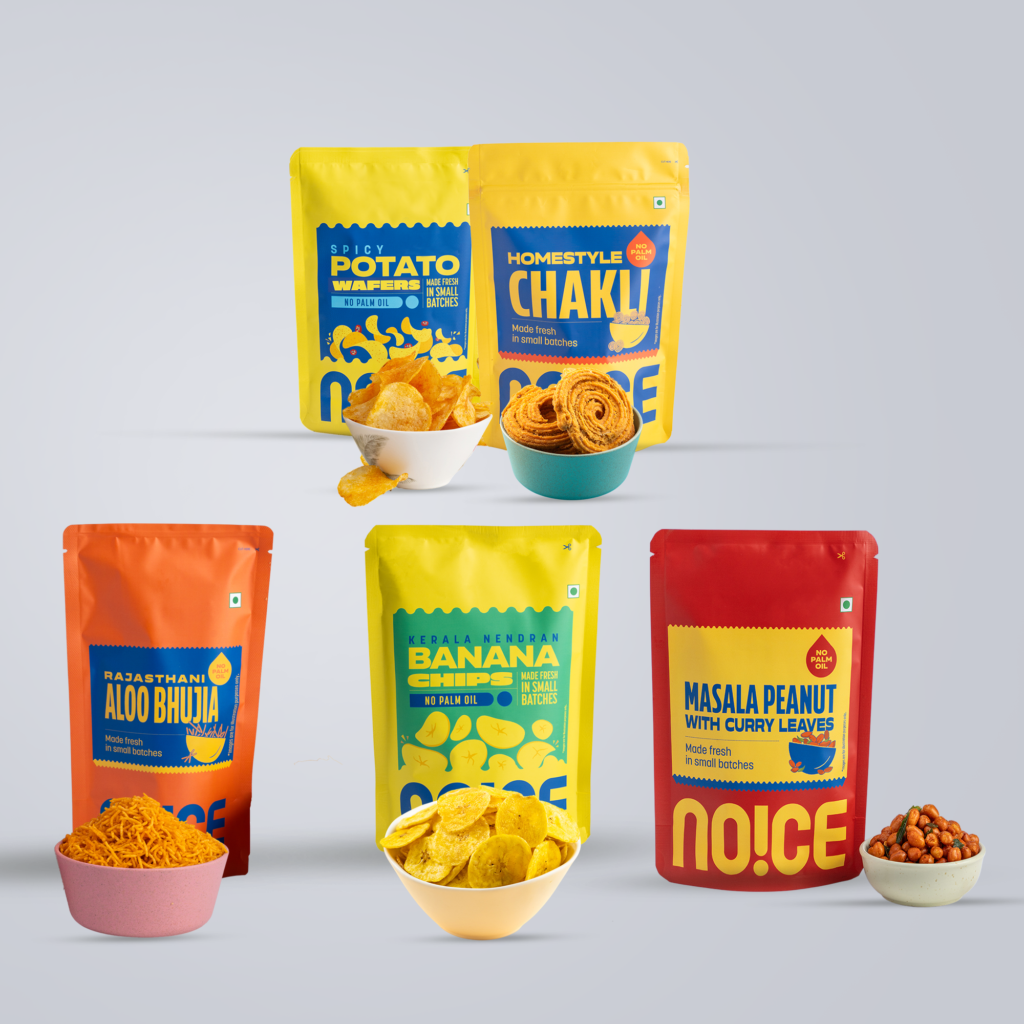
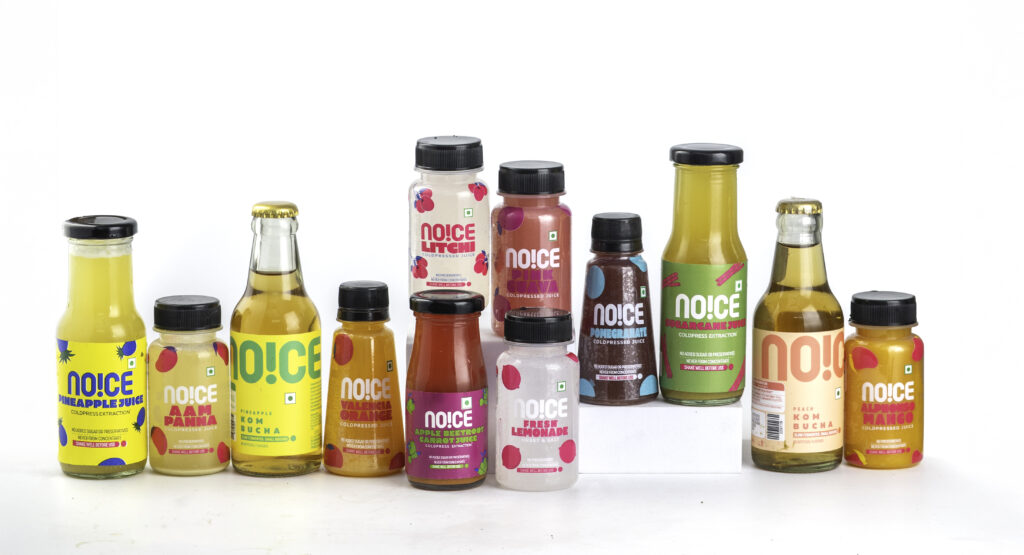
Crustless bread became an unlikely favourite. Jam slices surprised everyone. And products like fresh lime soda, coconut water, lassi, paneer, banana chips, chocolate ganache cookies, and caramelised brioche built loyal audiences.
As Royan puts it, the goal has never been novelty. The goal is simply to create the best version of a product.
1 year down. A Portfolio of Hundreds
What makes NOICE even more remarkable is the scale at which a relatively small team operates.
The structure is intentionally simple. A sourcing team develops products and works with manufacturing partners. The sales team handles demand generation, growth, and marketing. The quality team ensures standards remain intact.
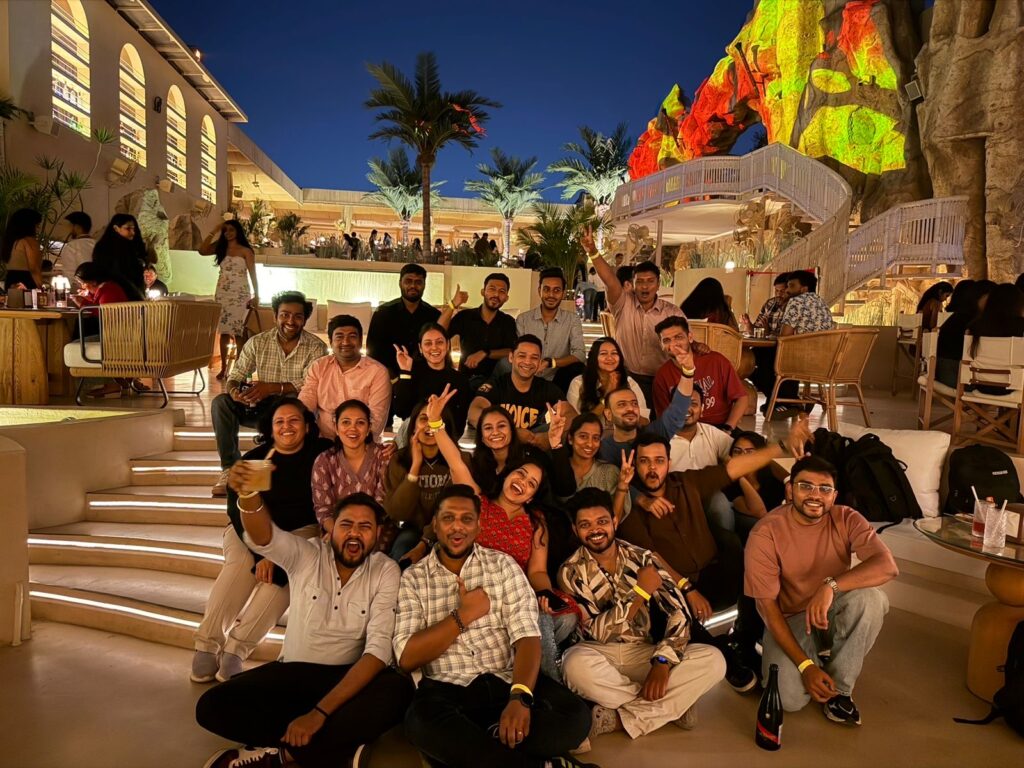
And these teams collaborate closely. “There is enough push and pull between planning, growth, sourcing, and quality,” Royan says with a laugh. “That’s how you ensure standards stay high.”
Old-School Food in a New-Age Package
While NOICE is often associated with Gen Z thanks to its colourful packaging and personality, the products themselves appeal across generations.
“NOICE is old-school food packaged in a new-age format,” says Shilpi. “The packaging appeals to younger audiences. But the taste resonates with everyone.”
That balance is intentional. Millennials find flavours that remind them of neighbourhood bakeries. Older generations recognise traditional recipes and preparation methods. And younger consumers discover foods that feel premium and different from mass-market alternatives.
The Reward of Building Something People Love
For the people behind NOICE, one of the most satisfying parts of the journey isn’t business growth alone. It’s recognition.
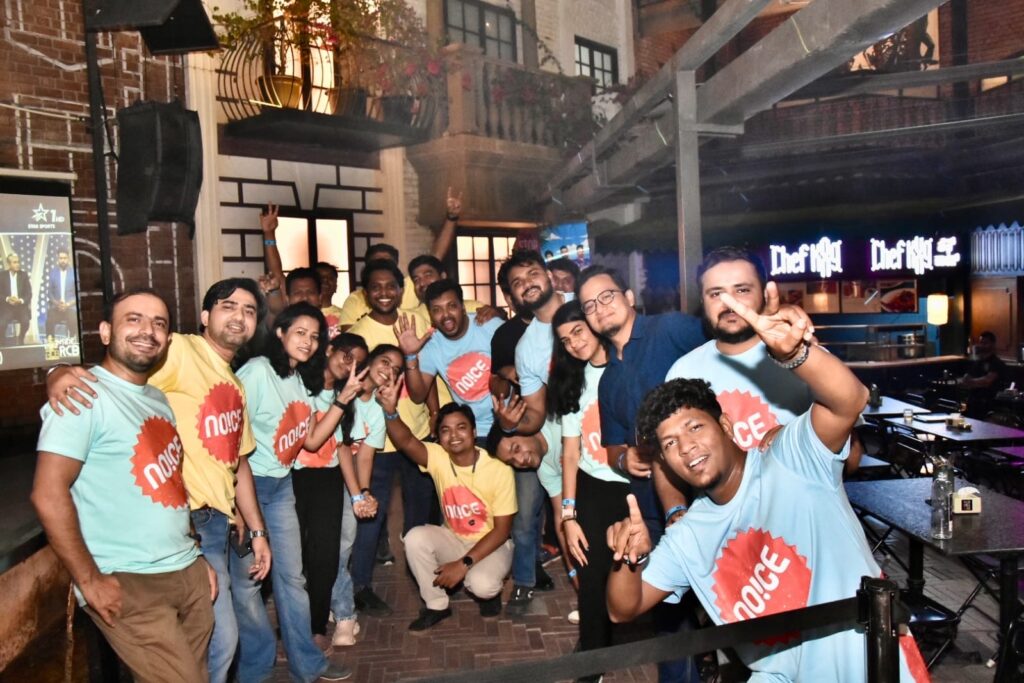
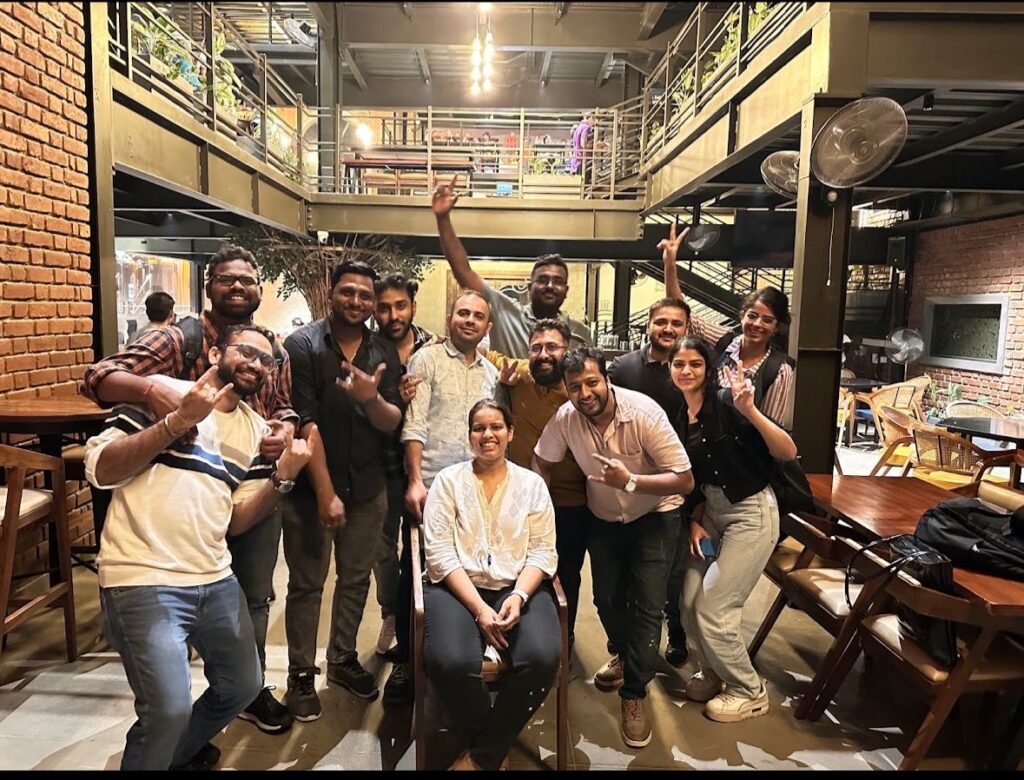
“It’s extremely rewarding,” says Shilpi. “You’re delivering on business goals, but you’re also getting consumer love.” Everybody seems to have a NOICE story. Friends mention products they’ve ordered. Family members recommend favourites. Consumers discuss the brand online.
One Year In. Have We Created Enough?
The team doesn’t see NOICE as a nostalgia brand. At least not intentionally. “We’re not trying to create nostalgia,” says Royan. “We’re just trying to make products the way they’re actually supposed to be made.” The nostalgia, if it appears, is often a by-product of bringing back techniques and flavours that slowly disappeared as food became increasingly industrialised.
For Mayur, however, the first year was only the beginning. “Year one has been one long incubation,” he says. “It’s time for NOICE to meet a larger universe. And greet them with the one, the only ubiquitous word that defines it all – NOICE.”
One year in, NOICE has demonstrated that convenience and quality need not be opposites. Consumers are willing to choose thoughtfully made food, even in a quick-commerce environment.